
AC Maintenance in Rhode Island
Homes in Rhode Island are older than in 48 of the other 49 states.
Tell us about the job
Takes about a minute. No obligation.
- 80°Fsummer afternoon high where people live
- 2 monthsof cooling, July through August
- 28.65¢ per kWhwhat homes paid for power in 2024 (kWh means kilowatt hours, the unit on an electric bill)
- 30hail events from 2015 to 2024
Electricity here costs more than most states a neglected AC wastes it all summer
- Eastern counties need about 13% more cooling than western ones
- Summer afternoons average 80°F where people live
- Cooling runs July through August
- 30 hail events from 2015 to 2024
- 425 damaging wind events from 2015 to 2024
- 12% of homes lost power a day or more in 2024


- The evaporator coil gets inspected for ice, which points straight back to airflow or a low charge before either one turns into a bigger repair
- The capacitor gets tested under load, not just glanced at, so a part that's weakening gets caught before it strands the compressor on the hottest day of the year
- The condensate line gets cleared, so water keeps draining where it's supposed to instead of backing up into the pan and over the edge
- Electrical connections at the disconnect and contactor get checked and tightened, since a loose one runs hot until it damages the wire or the part it feeds
- The outdoor coil gets cleaned of the dust and pollen that build up on it, so the compressor isn't working harder than it needs to just to shed heat

A dirty coil is the usual starting point. Dust and pollen settle on the outdoor coil until it can't shed heat the way it should, so the compressor runs longer to get the same cooling. Run it that way long enough and the compressor wears out before its time, and that's the part nobody wants to see fail. A clogged filter does something similar from the other end, choking off airflow until the evaporator coil gets too cold and ices over.
Skip maintenance and small problems don't get caught while they're small. A refrigerant leak that starts as a slow seep just keeps leaking, and the system keeps running low until it can't pull enough heat out of the air anymore. A capacitor that's weakening won't announce itself either, it just makes the compressor and fan motor strain a little more each time they start, until one day they don't start at all. None of this shows up as a sound or a smell. The air just gets a little less cold, a little more slowly, until the day it isn't.
A mild summer here means less wear, if it gets checked
Summer in Rhode Island runs about two months, July and August, with afternoons averaging around 80°F. That's a shorter, milder stretch than most of the country sees, so the compressor and coil aren't working as hard or as long as they would further south. Less strain means a well-kept system here tends to fail from age or a skipped check, not from being run into the ground. On a system that's had an easy life, a repair is usually the better bet than replacing it. A yearly check before summer catches the slow stuff. A weak capacitor. A low refrigerant charge. Things that are still simple to fix while they're small.
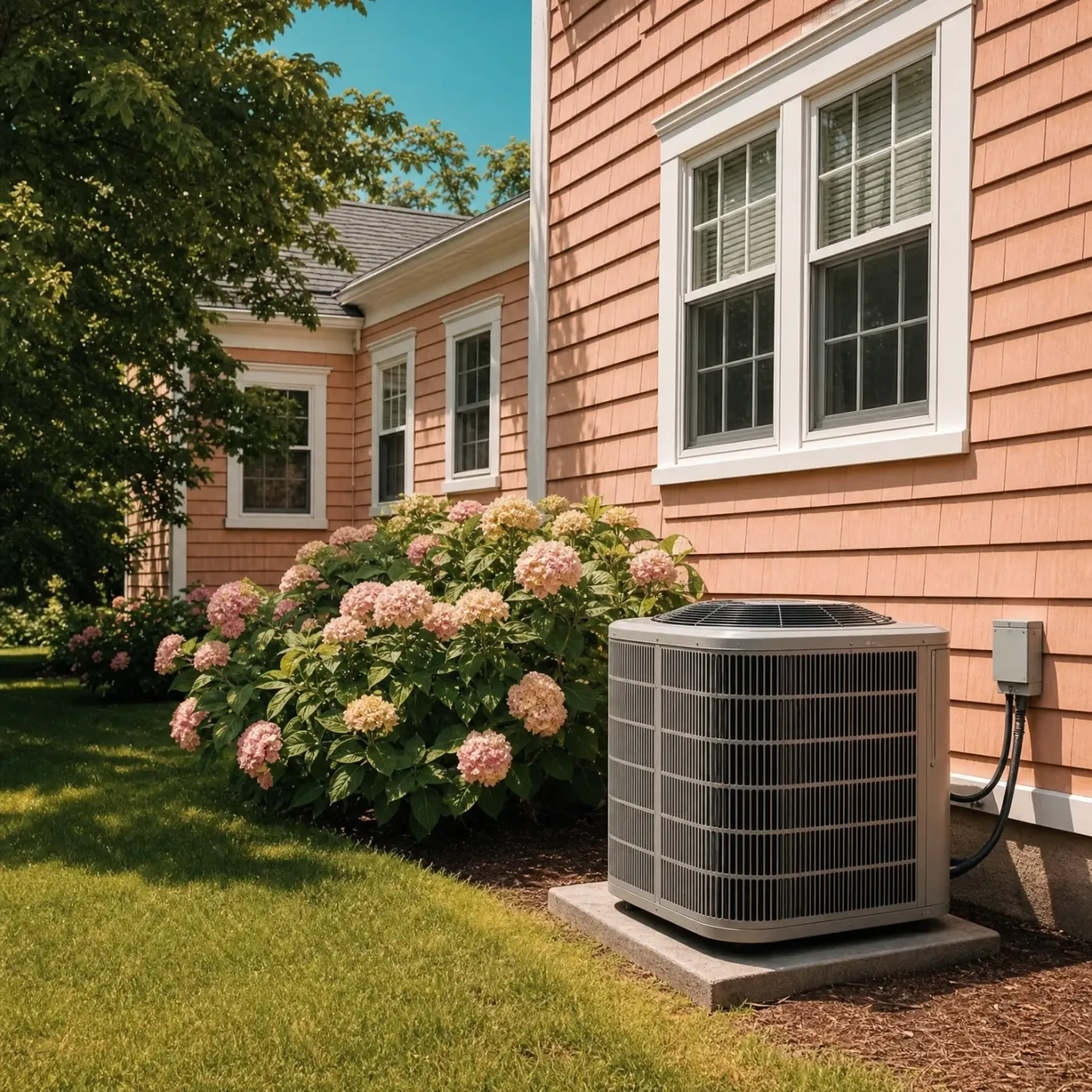
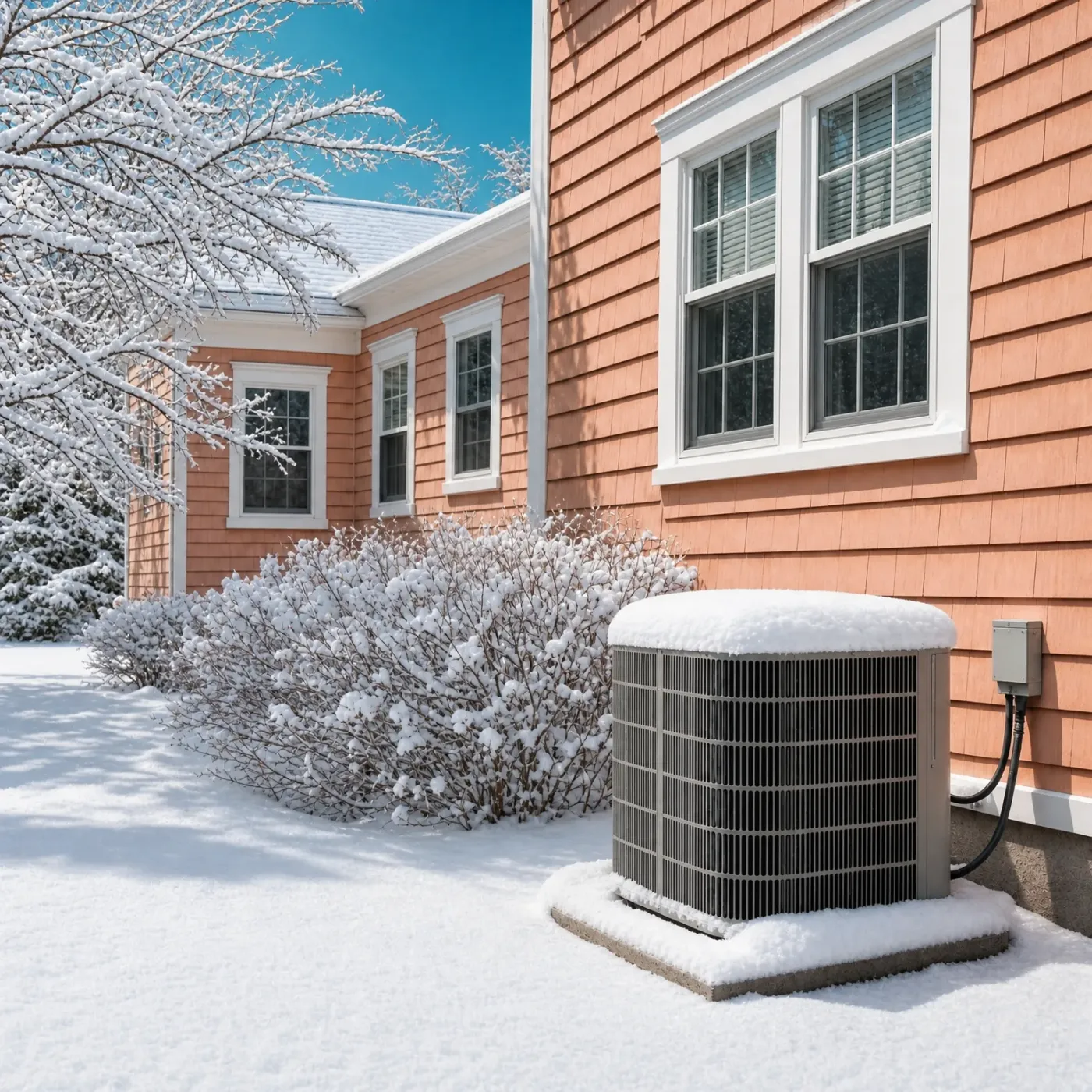
2 months of cooling, July through August
8 months of heat, October through May

Rhode Island isn't one yard to the next. Homes in the eastern counties need about 13% more cooling over a year than homes to the west, so a system on the coast is putting in more hours than one inland running the same kind of summer.
That gap is worth knowing before you schedule anything. If your place sits in one of those eastern counties, the system has more hours on it by the end of August than a neighbor's further west, and more hours is more wear on the same parts, the same coil, the same capacitor.
Wind is part of it too. Damaging wind hit the state 425 times between 2015 and 2024, and tropical storms or hurricanes affected it 19 times in that span. An outdoor unit sits outside through all of that, coil exposed, and a storm that bends a fin or knocks debris into the cabinet doesn't wait for a convenient time to do it.
None of that is reason to put the check off. It's reason to know which half of the state you're in before you pick the week.
What does an AC in Rhode Island face?
How hot do summer afternoons get?
80°Faverage afternoon high where people live
Alaska66°F
Arizona101°F
How many months does the cooling run?
2 monthsof cooling a year
Alaska0 months
Hawaii12 months
What does electricity cost?
28.65¢per kWh, what homes paid in 2024
North Dakota11.51¢
Hawaii42.86¢
How often do storms hit?
190severe weather events per county from 2015 to 2024
Alaska5
Wyoming1,057
How many homes lost power for a day or more?
12%of homes in 2024
Arizona7%
Maine54%
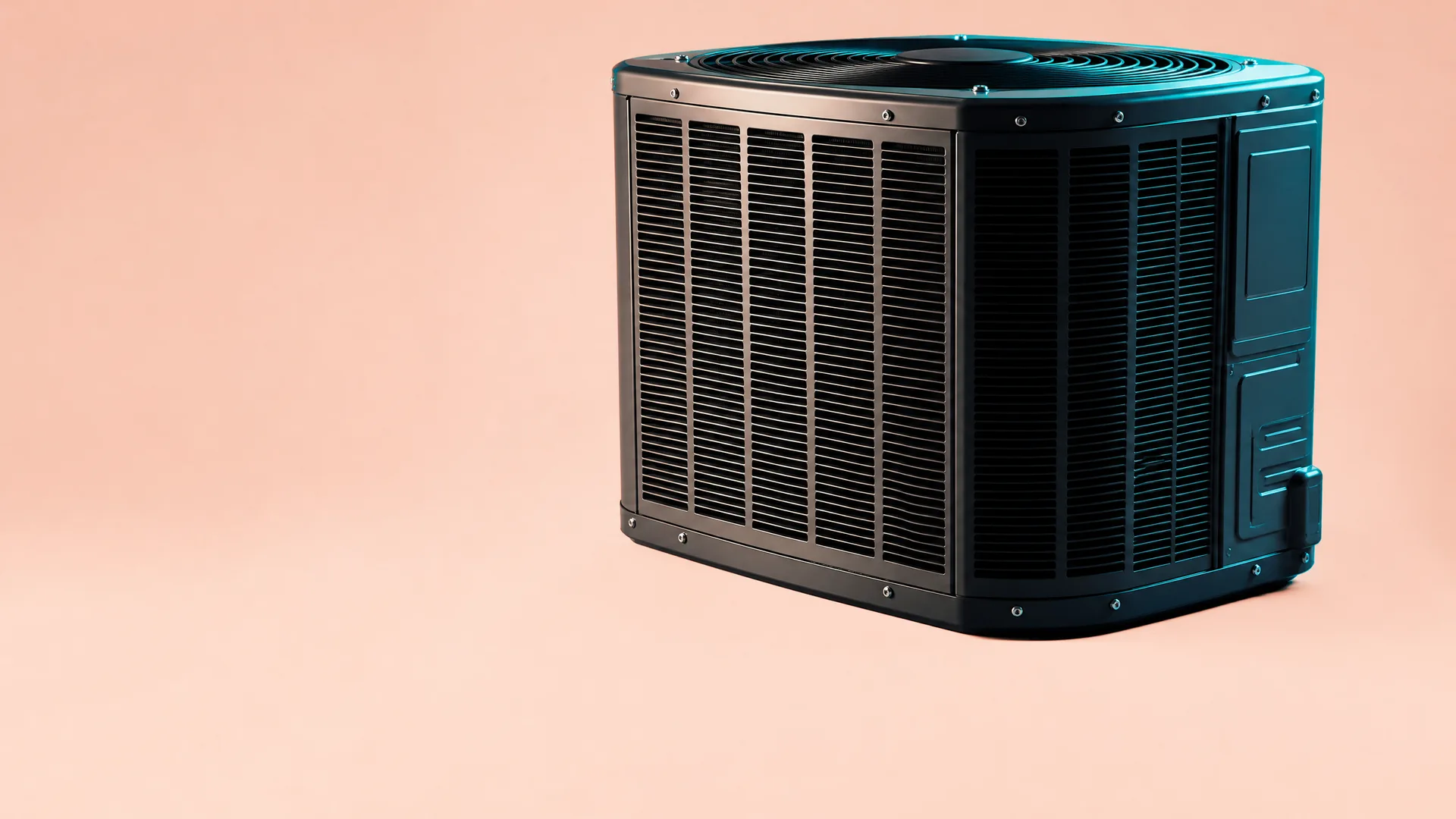
A clean system uses less power, and power costs more here
Electricity here runs 28.65 cents per kilowatthour, among the highest rates in the country. A dirty coil or a low refrigerant charge doesn't just wear the compressor, it makes the system pull more power to do the same job, every hour it runs. On a bill already higher than most states see, that difference is easy to notice. A unit that's been checked and cleaned before summer gets through the season on less power than one that hasn't.
The filter and coils get checked. The drain line gets forgotten.
The drain line is the part most people forget, because it has nothing to do with how cold the air feels. As the evaporator coil pulls moisture out of the air, that water has to go somewhere, and the drain line carries it out. Algae and dust build up inside that line the same as any drain, and once it's blocked the water backs up into the pan under the coil and over the edge. A float switch will shut the system down when that happens, if the system has one, and the air just stops. If it doesn't, the water finds its way into the ceiling or the wall below. The filter and the coils get the attention because they're easy to see. The drain line gets forgotten because it isn't, until it backs up.
What a gauge finds that your hand can't
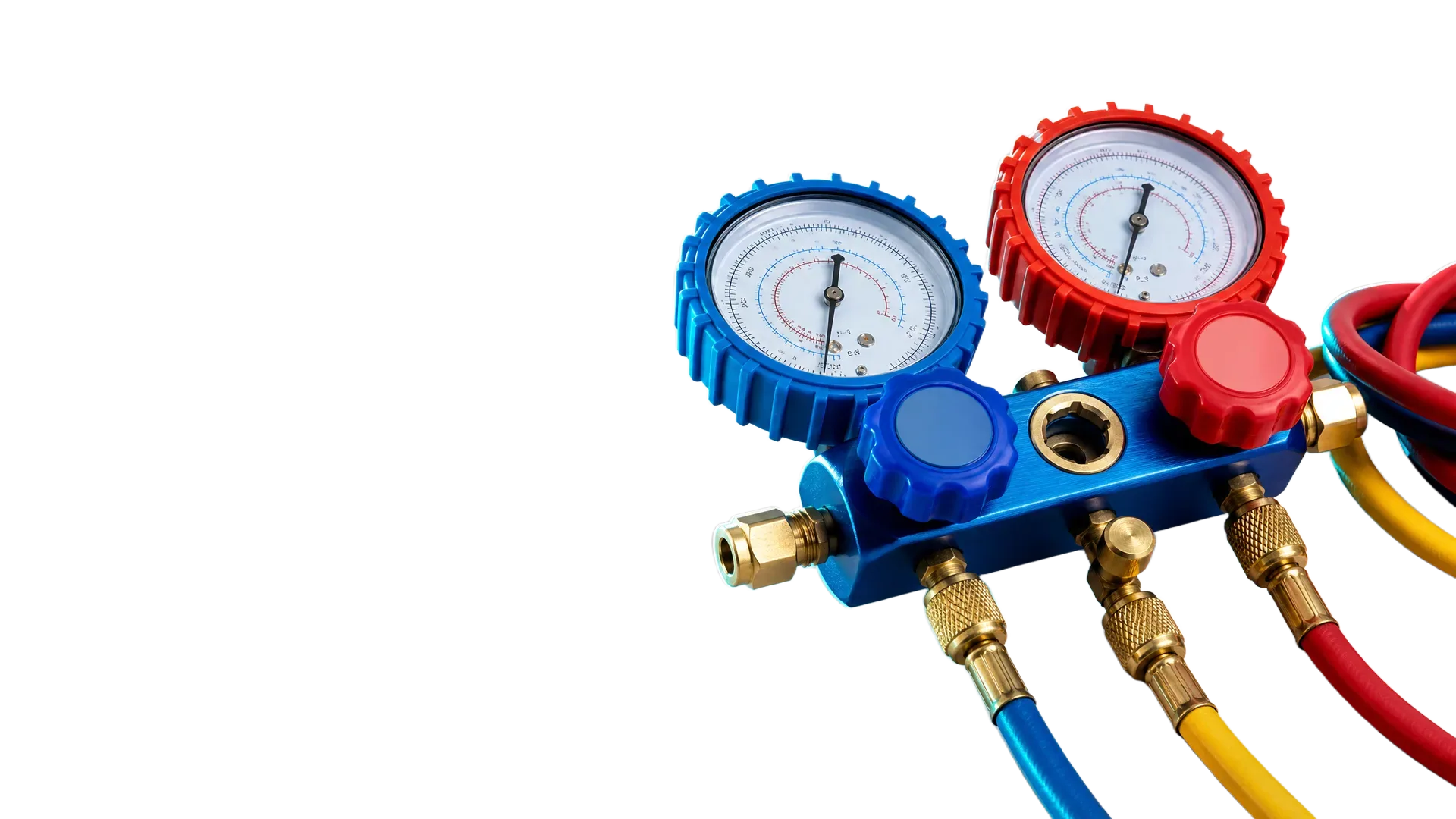
A tune-up checks things a homeowner has no way to see from the thermostat. Refrigerant charge is one. The only way to know if it's low is to connect gauges to the lines, and a system can be noticeably low before the house feels any different. Electrical connections are another. Screws in the disconnect box and at the contactor loosen from the system cycling on and off all season, and a loose connection runs hot until it burns the wire or the part it's feeding. A tech also checks the capacitor's actual strength against what it's rated for, not just whether the system starts. A capacitor can be weak enough to fail by midsummer and still get the compressor going on a cool morning during the inspection. None of this is guesswork or upselling. It's the difference between measuring a thing and guessing from how the air feels.
A dirty AC costs more to run here, and Rhode Island electricity is already among the priciest around.
Tell us about the job
Takes about a minute. No obligation.
Fill out the form once and a licensed contractor will follow up to schedule the tune-up.