
AC Installation in Rhode Island
Homes in Rhode Island are older than in 48 of the other 49 states.
Tell us about the job
Takes about a minute. No obligation.
- 80°Fsummer afternoon high where people live
- 2 monthsof cooling, July through August
- 28.65¢ per kWhwhat homes paid for power in 2024 (kWh means kilowatt hours, the unit on an electric bill)
- 30hail events from 2015 to 2024
Electricity costs more here than in most states so a new AC's efficiency matters on every bill
- Eastern counties need about 13% more cooling than western ones
- Summer afternoons average 80°F where people live
- Cooling runs July through August
- 30 hail events from 2015 to 2024
- 425 damaging wind events from 2015 to 2024
- 12% of homes lost power a day or more in 2024


Rhode Island's homes are older than almost anywhere else in the country, and that shapes what installation involves
Half the homes in Rhode Island were built in 1962 or earlier. Most of the state is detached or attached single-family houses, the kind where one system serves the whole place. If your AC is original to the house or close to it, the ductwork was sized for a different unit, maybe a smaller one. A new system still has to push air through those same ducts. Getting the size and the duct fit right matters more in a house like this than in one built around the equipment already inside it.

Cooling here runs just two months, July through August, so June is the month to get a new system in before the first hot stretch hits. Wait until July and you're picking a unit while the old one is already failing, which is no time to think through sizing and duct fit.
Rhode Island runs cooling fewer months than 34 other states, but that doesn't make the install less worth planning. A system put in during June gets checked against the ductwork and sized properly, with time to fix anything that doesn't fit. One put in during a July breakdown gets whatever can be installed fast.
Summers here are short and mild, so the AC itself can be simple. What it has to stand up to is the wind
Summers here top out around 80 degrees on average, and the season itself only runs two months. That's a light load for an AC to carry. A system sized right for your house won't be straining against heat the way one would further south. Wind is the bigger thing to plan around. Rhode Island has seen damaging wind hundreds of times over the past decade, and tropical storms and hurricanes have reached the state as well. Outdoor units get mounted and secured with that in mind, not just the heat. For the equipment itself, you don't need to chase the highest efficiency rating on the lot. A straightforward system that matches your ductwork will hold up here for years. Where these systems struggle later usually traces back to age or a skipped service, not to the weather asking too much of them.
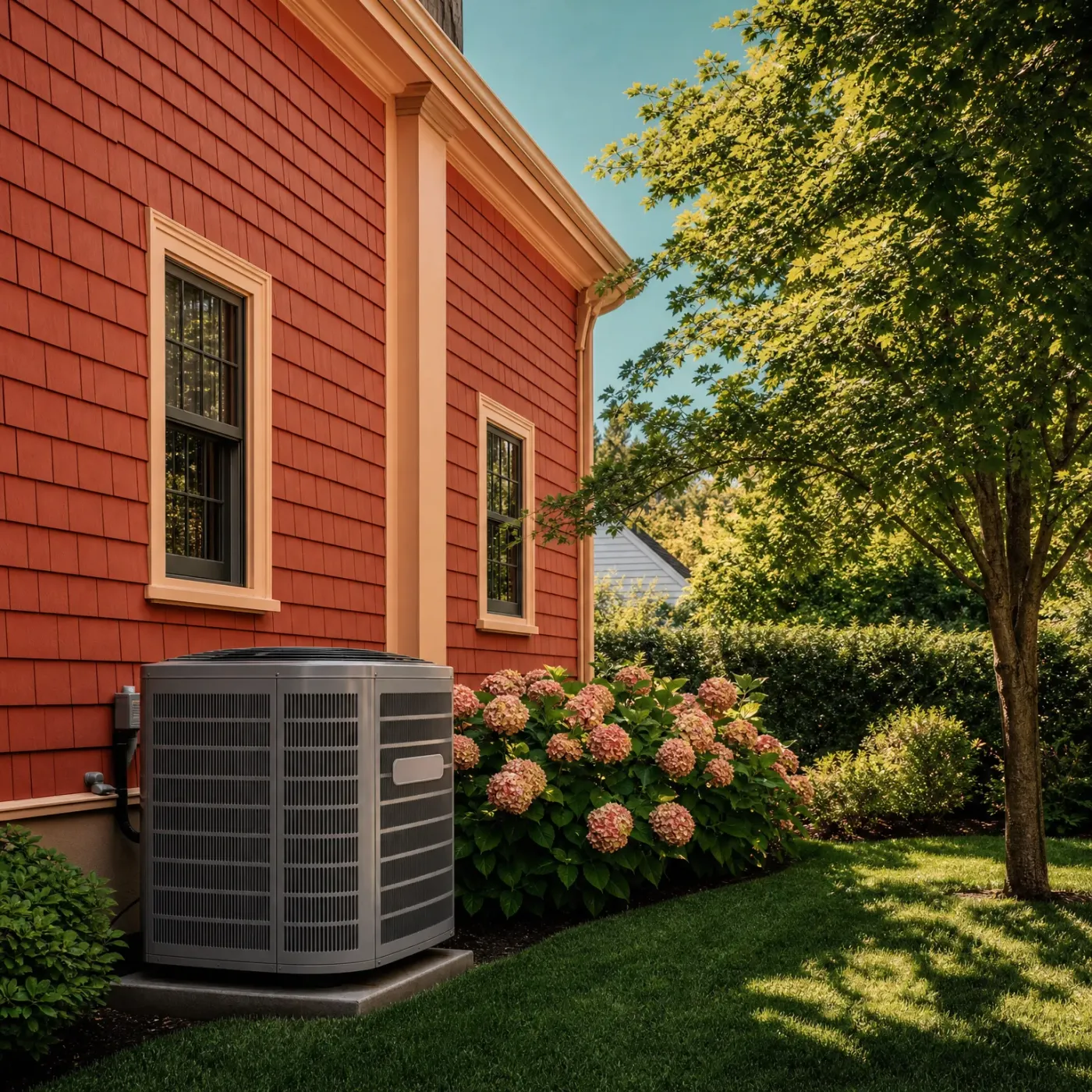
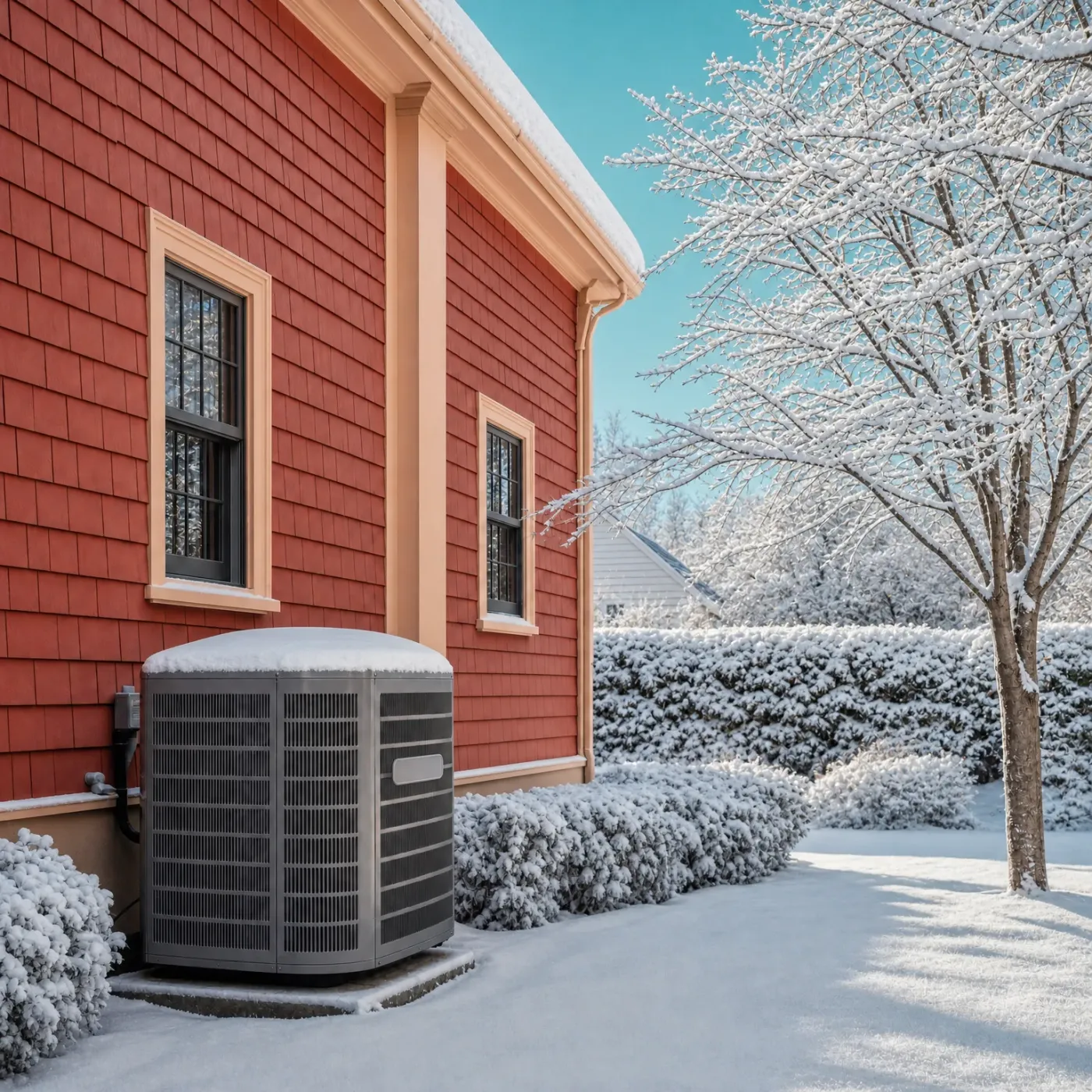
2 months of cooling, July through August
8 months of heat, October through May
Rhode Island's eastern counties need about 13% more cooling over a year than its western counties. That's the one split the data gives, and it's worth knowing before you size a system, since a unit that's right for a house inland may be asked to do more on the coast.
The wind matters more than the heat almost everywhere in the state. Damaging wind hit Rhode Island 425 times between 2015 and 2024, and tropical storms or hurricanes reached the state in that same stretch. That's true from one end of Rhode Island to the other, not just near the water.
Set against other states, Rhode Island's cooling load is light. Summer afternoons average 80 degrees, cooler than in 38 other states, and the season runs just two months a year. None of that changes what the wind does to an outdoor unit, only what the compressor has to work against once it's running.
What does an AC in Rhode Island face?
How hot do summer afternoons get?
80°Faverage afternoon high where people live
Alaska66°F
Arizona101°F
How many months does the cooling run?
2 monthsof cooling a year
Alaska0 months
Hawaii12 months
What does electricity cost?
28.65¢per kWh, what homes paid in 2024
North Dakota11.51¢
Hawaii42.86¢
How often do storms hit?
190severe weather events per county from 2015 to 2024
Alaska5
Wyoming1,057
How many homes lost power for a day or more?
12%of homes in 2024
Arizona7%
Maine54%
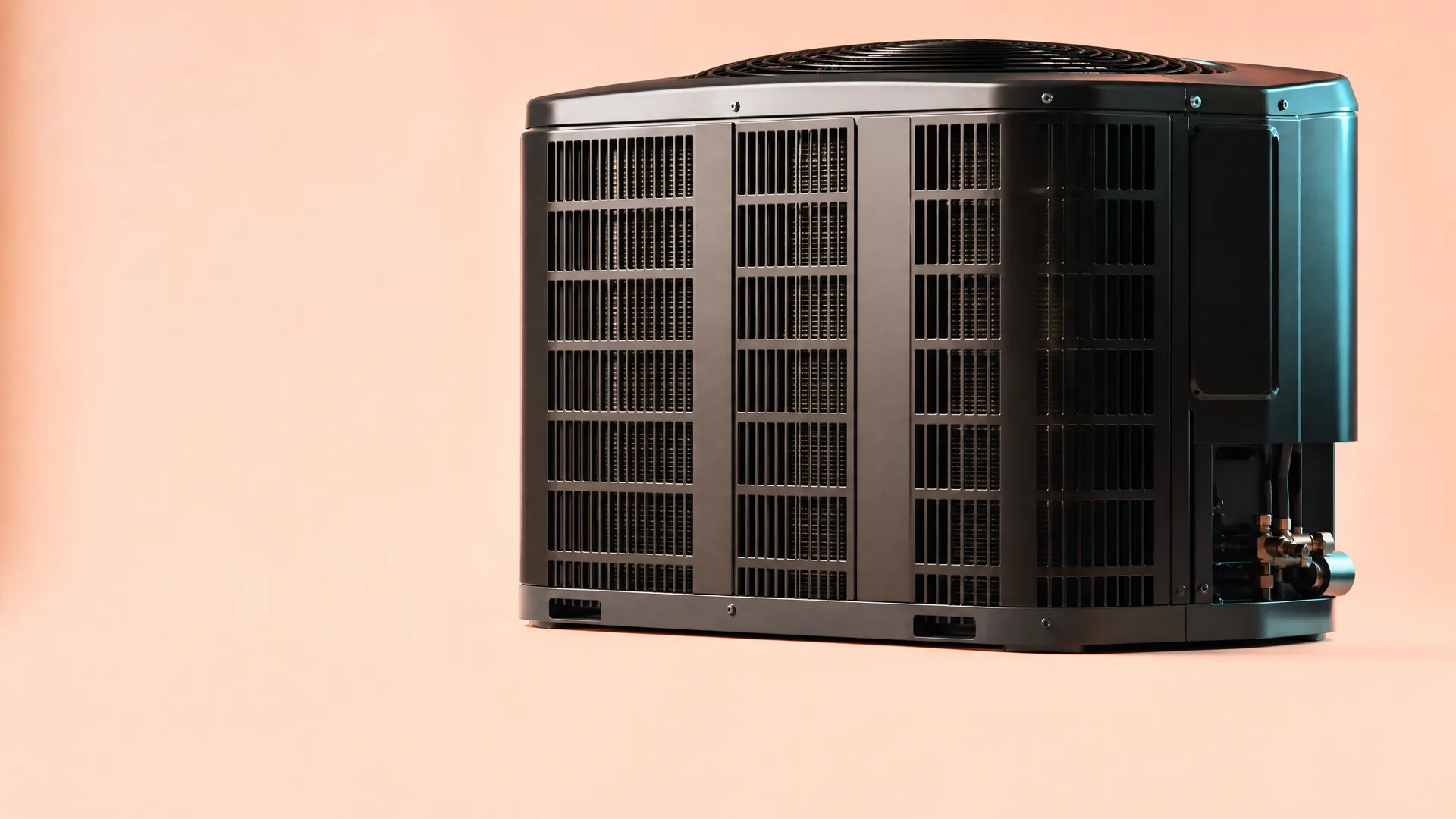
Sizing is a calculation, not a guess based on the old unit
A ton of cooling is a fixed amount, and more isn't better. An oversized system cools the air fast, hits the thermostat setting and shuts off before it's pulled the moisture out of the room. You end up with a house that's cold and still feels damp. An undersized one runs constantly and never quite gets there, which wears on the compressor and still leaves you uncomfortable. The right size is worked out with a load calculation, room by room, counting the windows, the insulation, the direction the house faces and the square footage. It's not picked off the size of the unit being replaced, since that one might have been wrong from the start. The ductwork factors in too. A correctly sized condenser pushing air through ducts that are too small or too leaky won't deliver the cooling it's rated for, no matter what the label says.
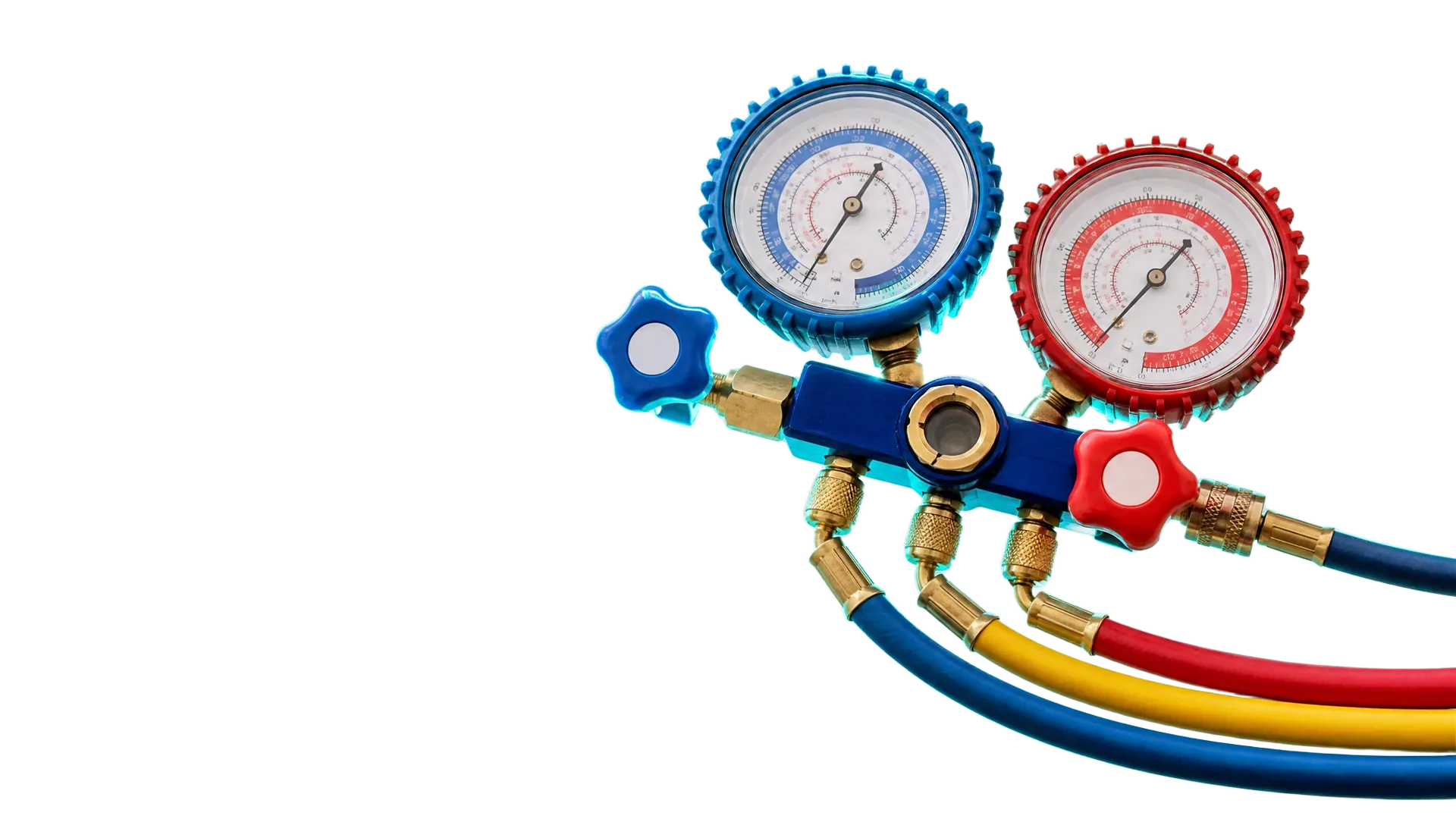
The unit is the easy part to compare
The unit itself is only part of what gets installed. A contractor has to run or verify the electrical circuit, set the line and low-voltage wiring, fit new refrigerant lines or confirm the old ones are clean and clear, and check that the condensate drain slopes the right way so water leaves the house instead of pooling near the furnace. Any of those can turn a straightforward swap into a longer job, and none of them show up until someone's looked at the actual setup. The indoor coil has to match the outdoor condenser, since pairing mismatched equipment hurts efficiency and can shorten the life of the compressor. If the ductwork needs sealing or modification to handle the new system's airflow, that's its own piece of work separate from setting the equipment. A thermostat swap, a disconnect box that doesn't meet code, a pad that needs leveling outside, these are the kind of details that make one installation take more than another even when the equipment itself is identical.
Most houses here heat with gas, and that shapes the AC install too
Rhode Island runs mostly on utility gas heat, 53% of homes, with fuel oil a distant second at 26.6% and electric heat down at 13%. That split matters for a cooling job because the furnace or boiler already in the house usually shares ductwork or a utility closet with whatever handles the AC, and most of those heating systems weren't built around central air from the start. A gas furnace paired with an add-on coil is a different install than a house wired for electric heat and electric everything else. Knowing which fuel is already there tells a contractor what they're working around before they ever size the condenser.
Electricity here runs 28.65 cents per kilowatthour, so a new AC is worth sizing right.
Tell us about the job
Takes about a minute. No obligation.
Answer a few questions about your house and hear from contractors who install AC systems in Rhode Island.