
Heat Pump Repair in Rhode Island
Homes in Rhode Island are older than in 48 of the other 49 states.
Tell us about the job
Takes about a minute. No obligation.
- 23°Fwinter overnight low where people live
- 8 monthsof heat, October through May
- 80°Fsummer afternoon high where people live
- 2 monthsof cooling, July through August
Electricity costs more here than in most states a heat pump running wrong adds up fast
- Eastern counties need about 13% more cooling than western ones
- Winter nights average 23°F where people live
- Summer afternoons average 80°F where people live
- Heat runs October through May
- Cooling runs July through August
- 164 winter storms from 2015 to 2024


- Lukewarm air instead of warm usually means the reversing valve is stuck, not a dying system
- A charge check shows whether the coil is starved for refrigerant or flooded, and why
- Clearing ice off the outdoor unit without finding the cause just buys a few days
- A failing defrost board makes the compressor and fan fight each other, and that wears the unit out
- Once the real fault is found, you get a straight answer on repair versus replacement

A tech starts outside at the unit, checking refrigerant pressure on both the high and low side, and watching how the compressor and fan behave once they kick on. Low charge shows up as frost in the wrong places or pressures that never settle. From there it's the reversing valve, since a valve stuck halfway is the usual reason a heat pump blows air that isn't quite warm. They'll run the system in both heating and cooling to see if it actually switches when told to.
Inside, the check moves to the air handler and the thermostat wiring, since a bad sensor or a loose connection can mimic a failing compressor. The defrost board gets tested too, because if it's misreading the coil temperature, it can call for defrost when none is needed or skip it when the coil is iced solid. Static pressure and airflow across the indoor coil get checked as well, since restricted airflow stresses the compressor the same way a refrigerant problem does. Only once all of this points to one part does the tech say what's actually failing.
A heat pump here works a long season, not a hard one
Heat pumps in Rhode Island run heat about eight months a year, October through May, and cooling just two, July and August. That's a long heating stretch, longer than most states see, so the system logs more hours in that mode than in cooling. Still, winter nights here average 23°F, nowhere near the extreme cold that pushes a heat pump to its limit. That matters for repair, because a unit that hasn't been fighting brutal cold for years is less likely to have a compressor worn out from strain. When something's off, the cause is usually a part that failed on its own, like a stuck valve or a bad sensor, not a system that's been run into the ground.
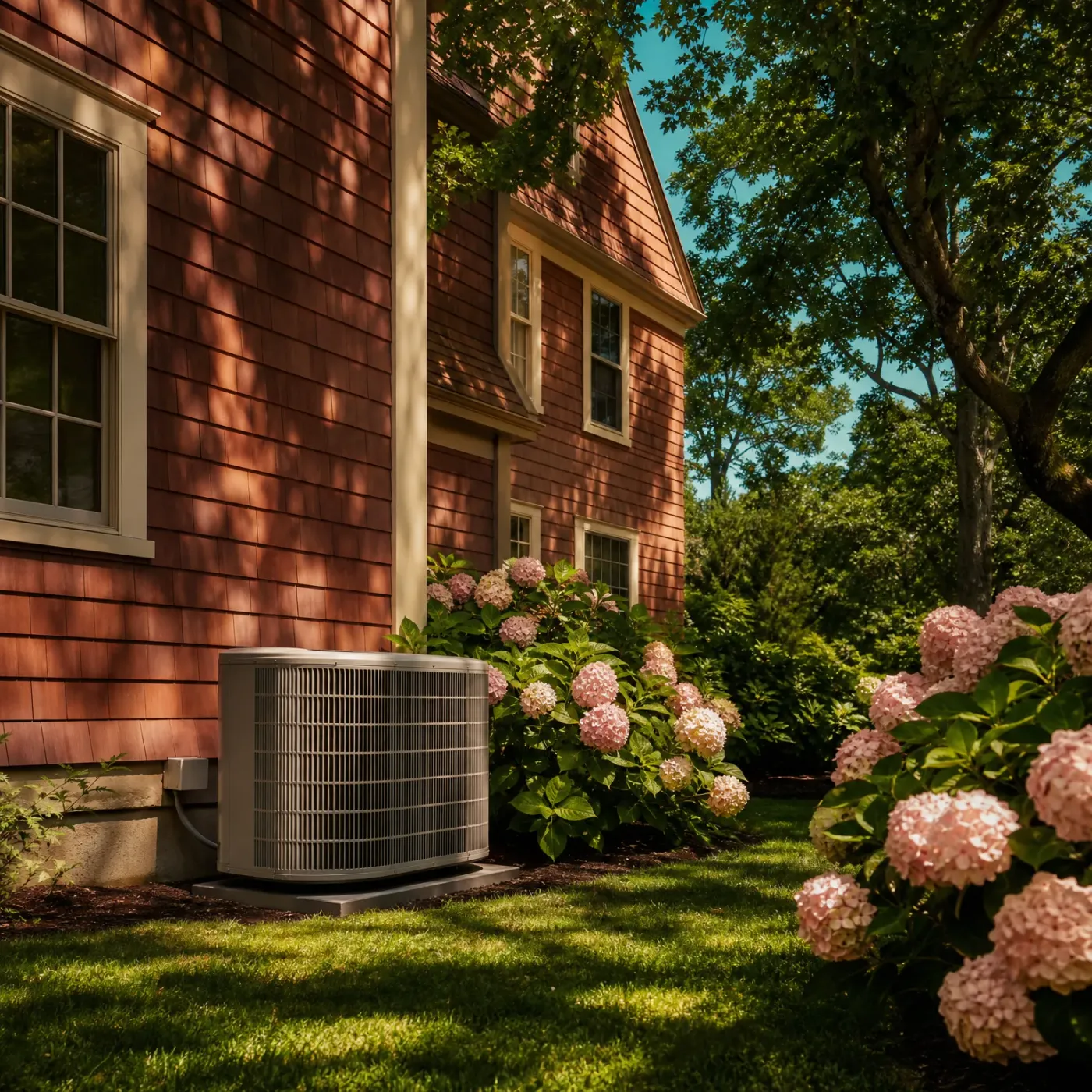
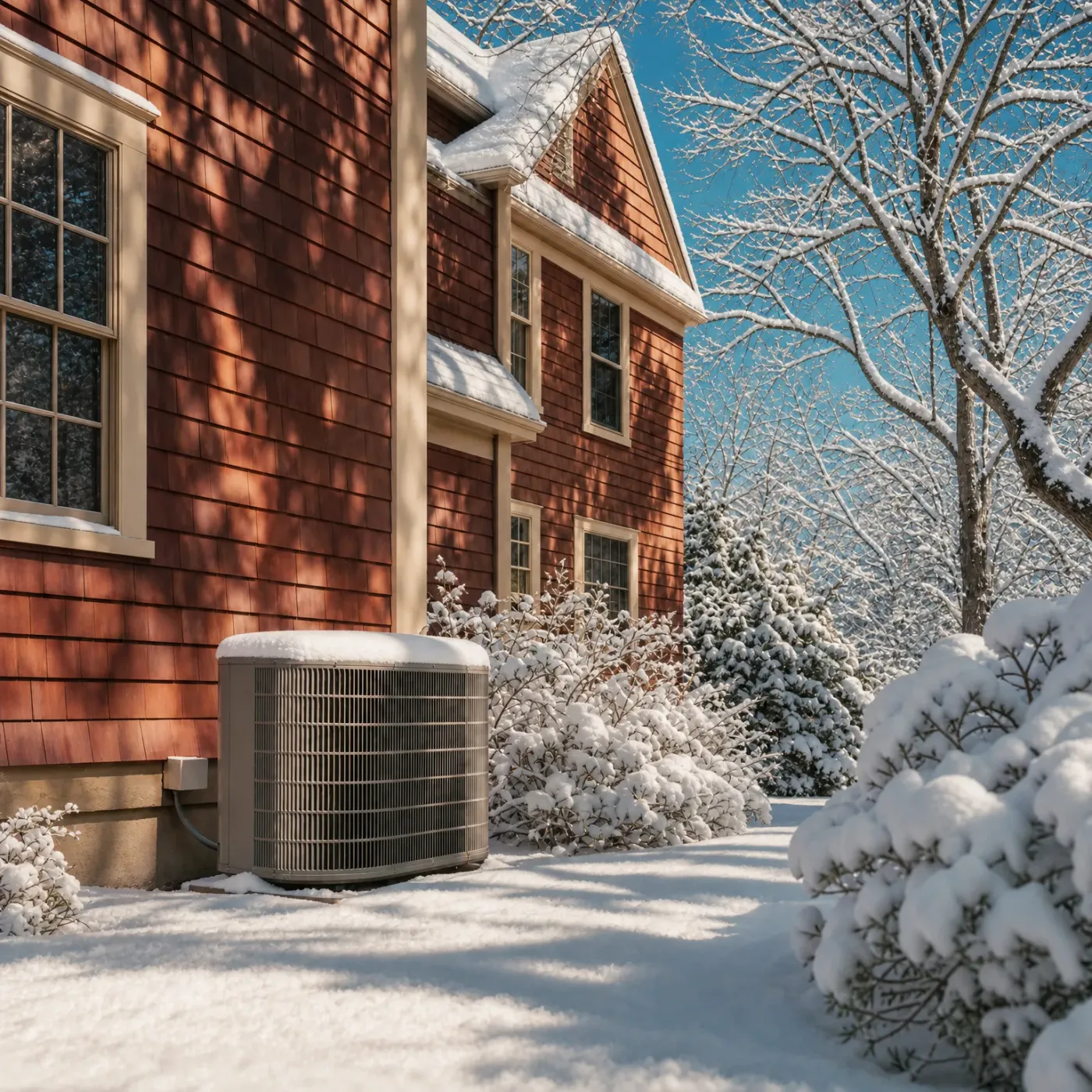
2 months of cooling, July through August
8 months of heat, October through May
What does a heat pump in Rhode Island face?
How hot do summer afternoons get?
80°Faverage afternoon high where people live
Alaska66°F
Arizona101°F
How cold do winter nights get?
23°Faverage overnight low where people live
North Dakota4°F
Hawaii65°F
How many months does the heat run?
8 monthsof heating a year
Hawaii0 months
Alaska12 months
What does electricity cost?
28.65¢per kWh (kilowatt hours, the unit on an electric bill), what homes paid in 2024
North Dakota11.51¢
Hawaii42.86¢
How often do storms hit?
190severe weather events per county from 2015 to 2024
Alaska5
Wyoming1,057
How many homes lost power for a day or more?
12%of homes in 2024
Arizona7%
Maine54%
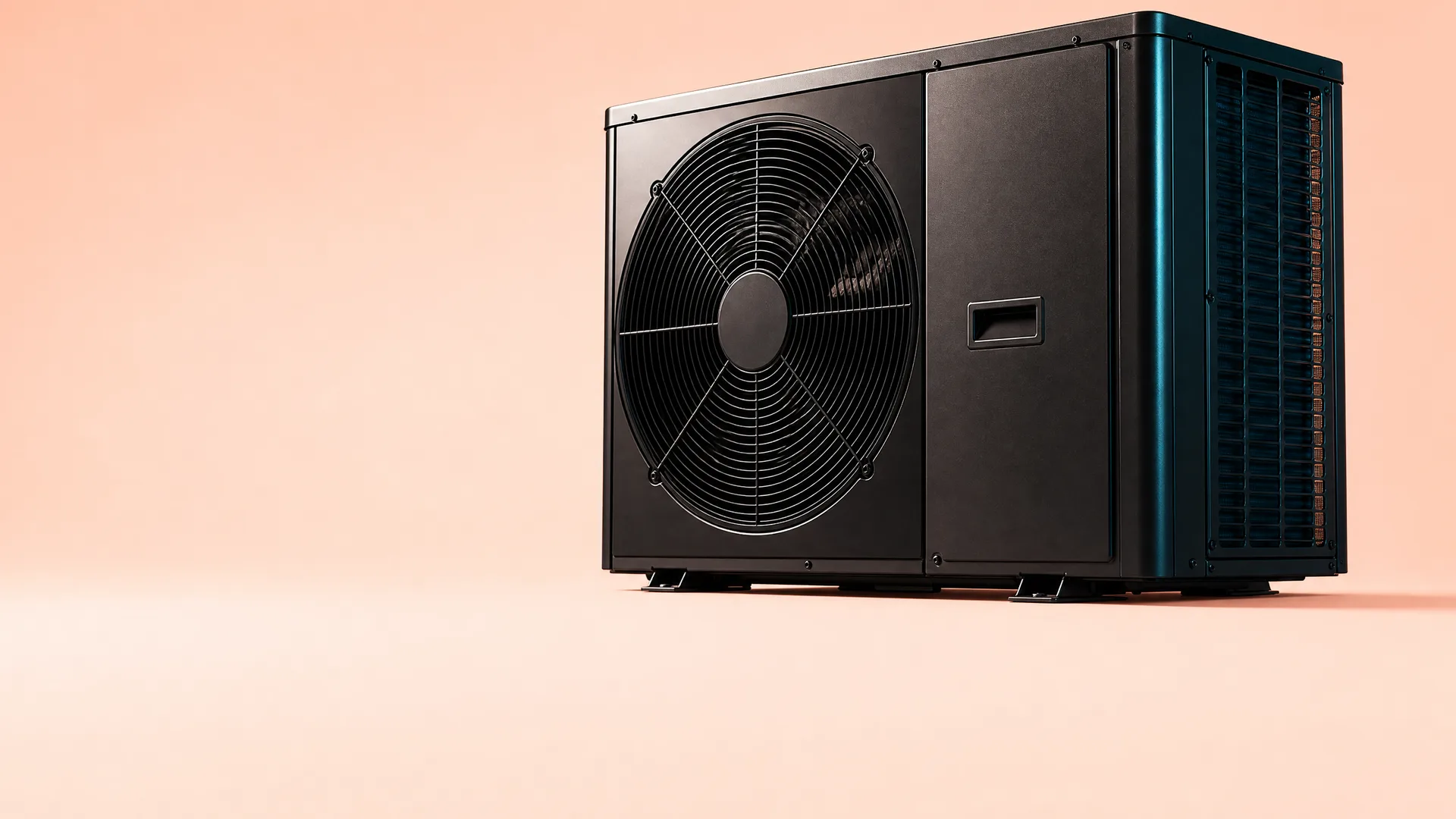
What a failing heat pump sounds and feels like
A heat pump rarely fails without warning first. It runs through the same handful of complaints over and over, and each one points somewhere specific. Air blowing from the vents that feels cool instead of warm, especially right as the system switches between heating and cooling. Ice building up on the outdoor unit that doesn't clear on its own between defrost cycles. The outdoor fan spinning while the compressor stays silent, or the other way around. Short cycling, where the system kicks on and off every few minutes instead of running a full cycle. A hissing or bubbling sound near the refrigerant lines. Any of these is worth a call before it turns into a bigger repair, because a stuck valve or a weak capacitor is a straightforward fix. A compressor that's been running starved of refrigerant for months is not.
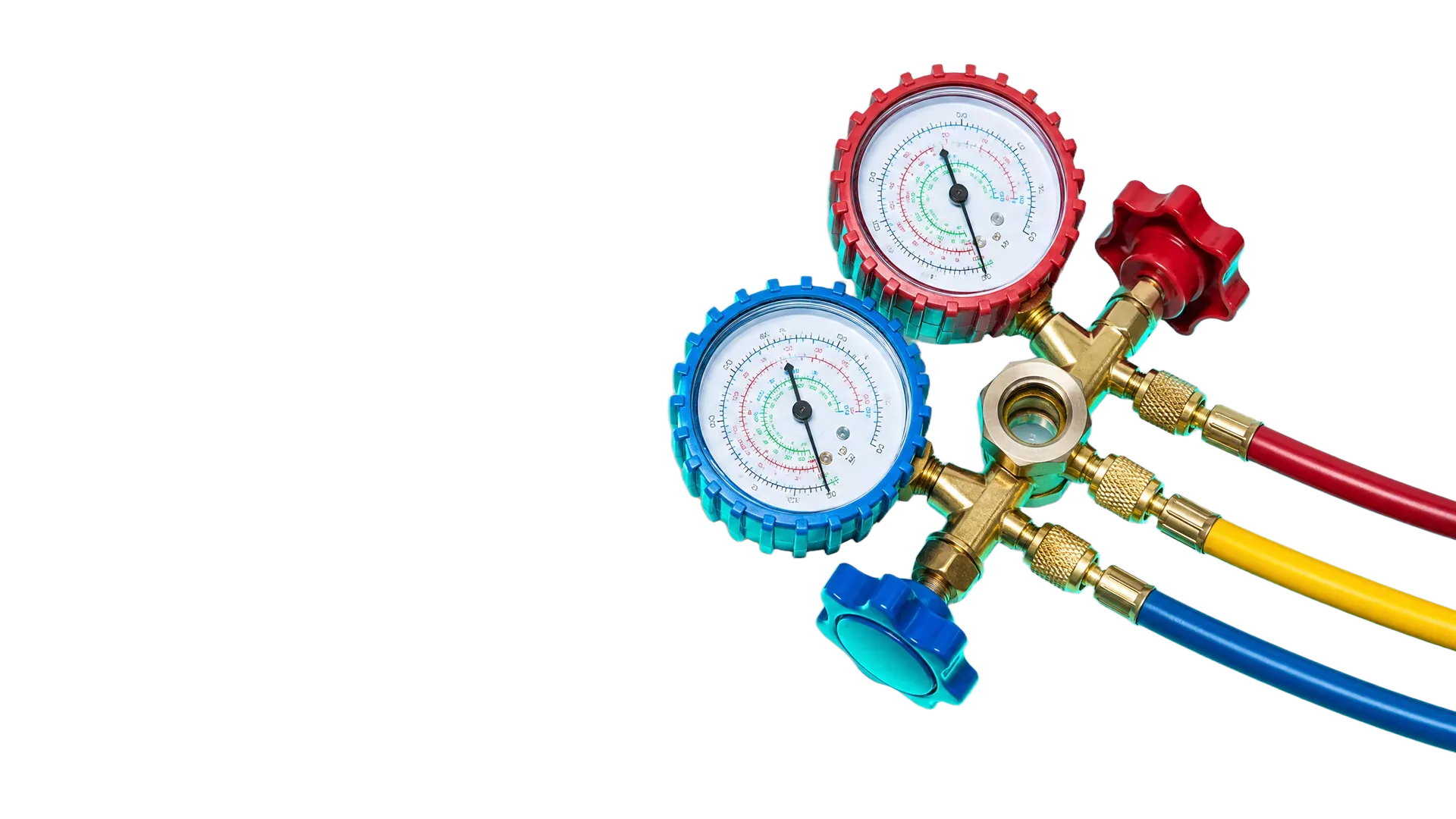
The parts that usually give out first
Most heat pump failures trace back to the same few parts. The capacitor is one. It gives the compressor and fan motor the jolt they need to start, and it weakens with age until the motor just hums instead of turning. The reversing valve is another. The coil inside it can stick partway, which is why a unit ends up blowing air that's never quite warm or cold. The defrost board has its own failure path. It reads the outdoor coil's temperature, and when that sensor goes bad, the board either skips defrost when the coil needs it or runs it when the coil is already clear. Low refrigerant isn't really a failure on its own, it's a sign of one. Heat pumps are sealed systems, so a low charge means it's leaking out somewhere, usually at a fitting or a worn spot in the coil, and the fix is finding that leak rather than just topping it off. Motors wear out too, the one turning the outdoor fan and the one moving air across the indoor coil, and they tend to get loud before they quit. None of this comes from the system working too hard. It's mechanical wear, plain and simple.
If the system came with the house
Half the houses in Rhode Island were built in 1962 or earlier, and that's older than in nearly every other state. An older house doesn't tell you what kind of heat pump is sitting outside it or when it was put in, since most systems get swapped out at least once over a house's life. But if yours is the one that came with the place, it's worth asking the tech how much life is left in it before paying for a repair. A reversing valve or a defrost board is worth fixing on a unit with years ahead of it. The same part on a unit already near the end of its run is a different conversation.
Eastern Rhode Island leans on cooling more than the western side, and that changes what's likely worn.
Tell us about the job
Takes about a minute. No obligation.
Answer a few questions about what the heat pump is doing and a licensed contractor calls to look at it.