
AC Repair in Rhode Island
Homes in Rhode Island are older than in 48 of the other 49 states.
Tell us about the job
Takes about a minute. No obligation.
- 80°Fsummer afternoon high where people live
- 2 monthsof cooling, July through August
- 28.65¢ per kWhwhat homes paid for power in 2024 (kWh means kilowatt hours, the unit on an electric bill)
- 30hail events from 2015 to 2024
Rhode Island summers go easy on AC units so repairs are usually worth it
- Eastern counties need about 13% more cooling than western ones
- Summer afternoons average 80°F where people live
- Cooling runs July through August
- 30 hail events from 2015 to 2024
- 425 damaging wind events from 2015 to 2024
- 12% of homes lost power a day or more in 2024


AC runs here from July through August, about two months a year. June is worth a check before that starts. A system that sat idle since last summer can have a capacitor or contactor that was already going, and the first real hot stretch is what finishes it off.
Rhode Island gets fewer cooling months than 34 other states, so a unit here isn't working against the kind of heat load that wears systems down fast. If yours is struggling in July, the cause is more likely a weak part or a maintenance issue than the climate catching up with it. That's usually a fixable problem, not a sign the system is done.
Mild summers mean less wear, but storms are worth a look too
Summer afternoons here average 80°F, milder than in 38 other states. That's a big part of why these systems don't run as hard as they do elsewhere. Wind is the other factor worth knowing about. Rhode Island sees more damaging wind than most states get, the kind that can loosen an electrical connection or send debris into the outdoor coil without leaving a mark you'd notice. If your AC is acting up after a windy stretch, mention that to whoever comes out, even if the unit looks fine from the outside.
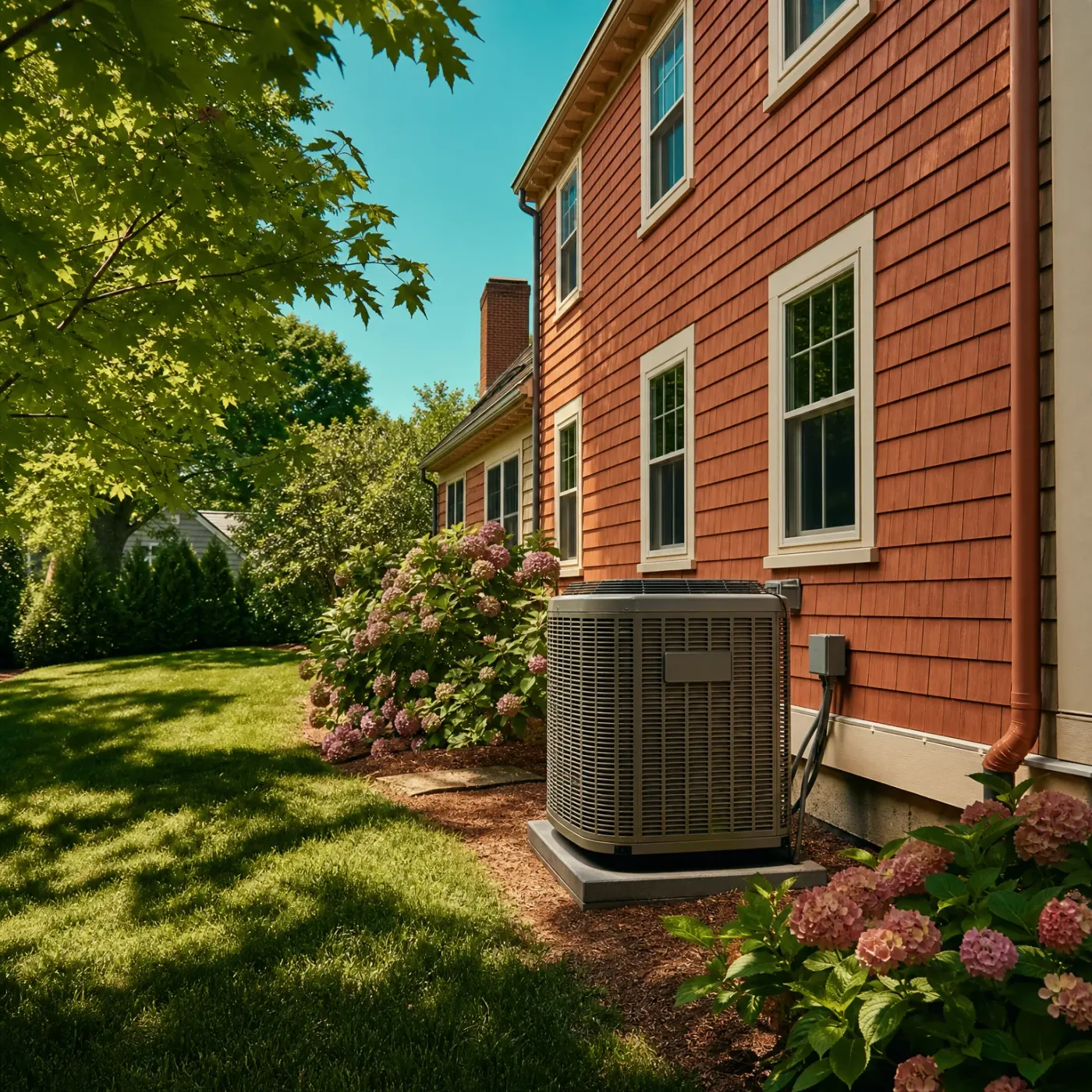
2 months of cooling, July through August
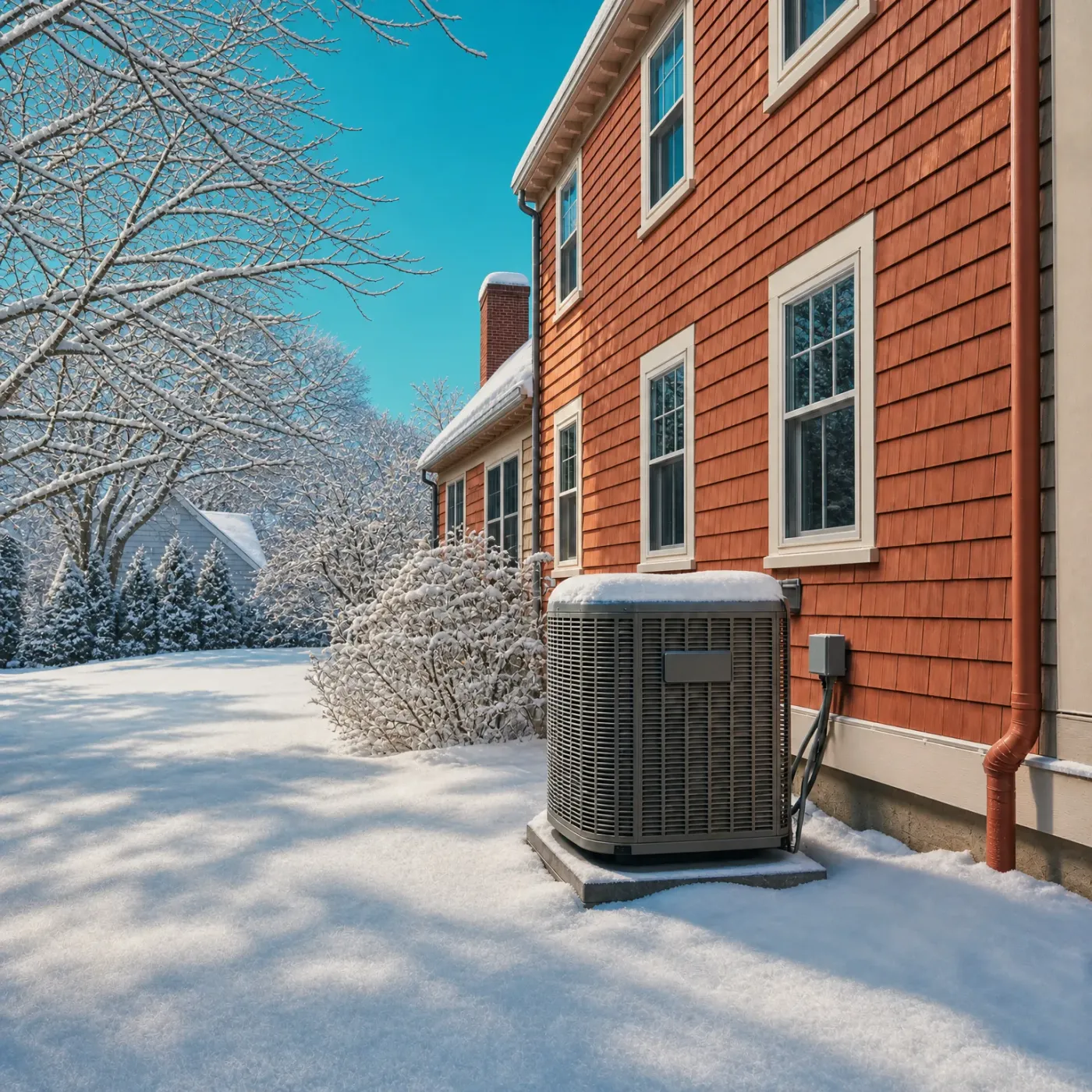
8 months of heat, October through May
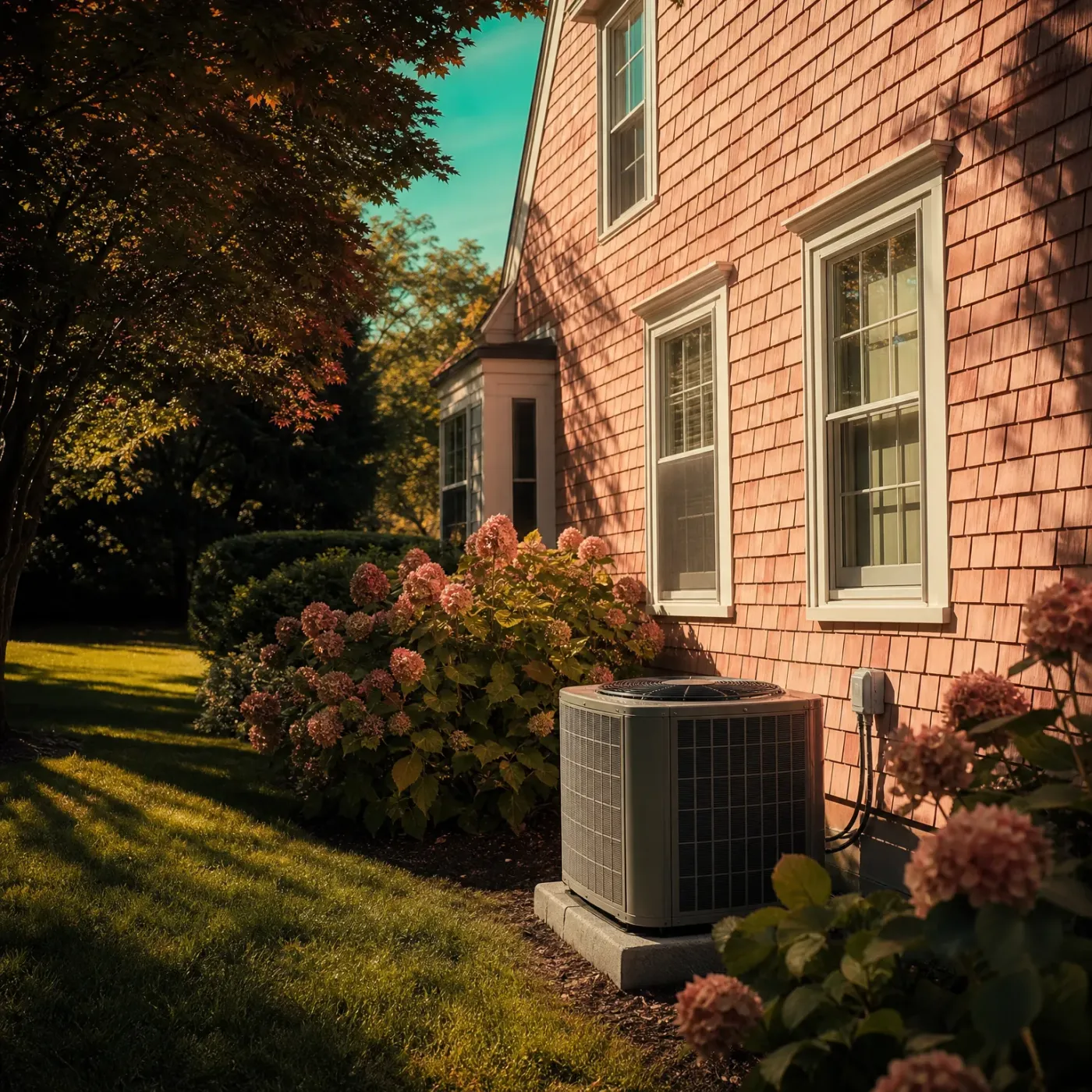
Homes in the eastern counties need about 13% more cooling over a year than homes in the western counties. That's not a huge gap, but a unit on that side of the state is cycling more over the same two months, and more cycles means more hours on the contactor and capacitor.
None of this makes Rhode Island hard on an AC system. Cooling runs July through August everywhere in the state, east or west, and that's fewer months than 34 other states see. The eastern counties just lean on that short season a bit harder.
If your system is short-cycling or struggling to keep up in August, where you are in the state is worth mentioning to whoever comes out. A unit on the eastern side has likely logged more run hours by this point in the summer than the same unit further west would have.
What does an AC in Rhode Island face?
How hot do summer afternoons get?
80°Faverage afternoon high where people live
Alaska66°F
Arizona101°F
How many months does the cooling run?
2 monthsof cooling a year
Alaska0 months
Hawaii12 months
What does electricity cost?
28.65¢per kWh, what homes paid in 2024
North Dakota11.51¢
Hawaii42.86¢
How often do storms hit?
190severe weather events per county from 2015 to 2024
Alaska5
Wyoming1,057
How many homes lost power for a day or more?
12%of homes in 2024
Arizona7%
Maine54%
What a tech actually checks when they come out
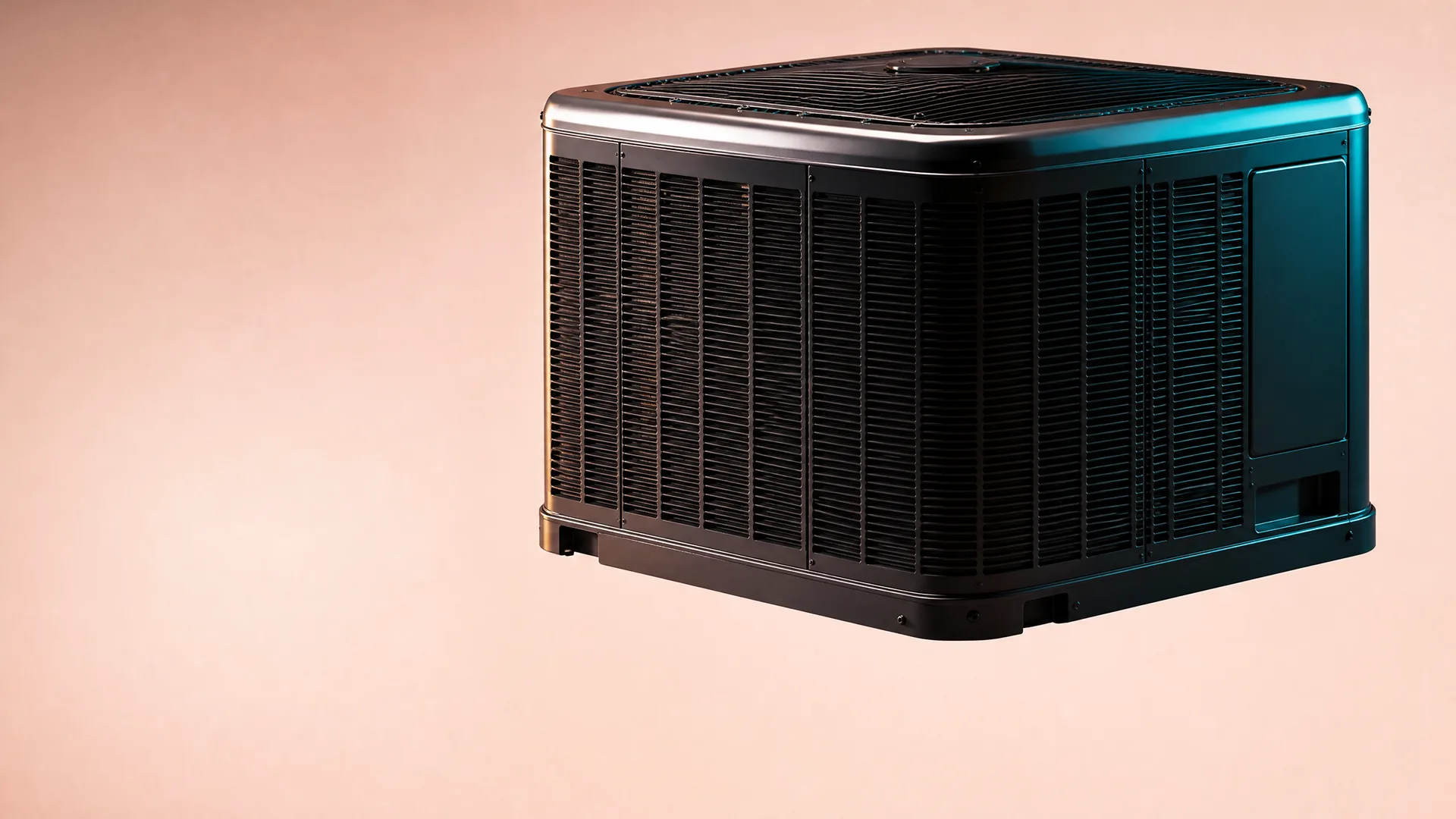
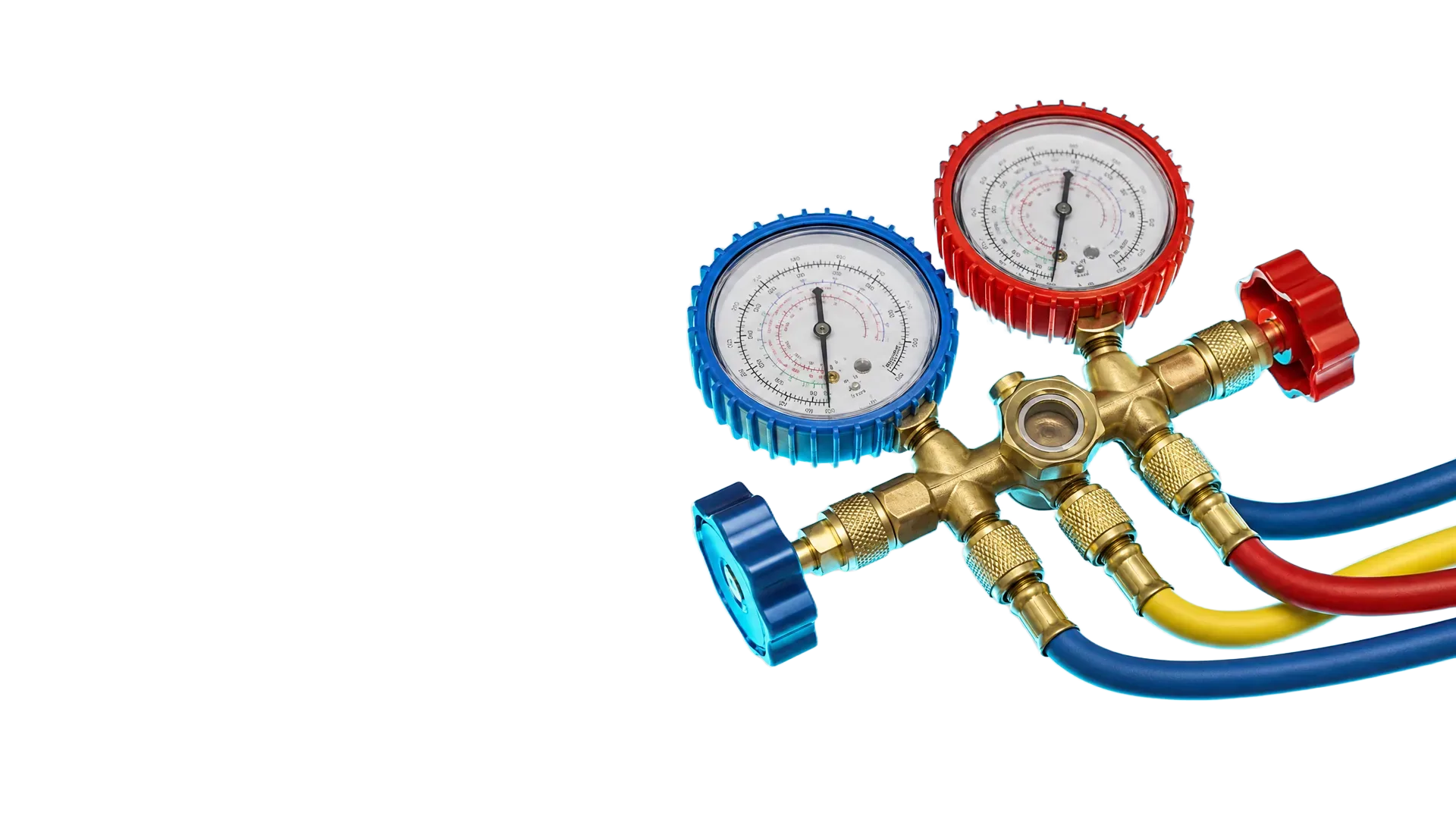
A tech starts outside at the unit. The capacitor gets checked first, since it's the part most likely to have failed and the easiest to test. Next is the contactor, looking for pitting or a coil that isn't pulling in clean. Refrigerant charge gets checked with gauges, not guessed at. A low charge and an overcharge can both show up as the same complaint, the system just isn't cooling right. Airflow gets checked too, at the return and at a few vents. A system can have good charge and good electrical and still underperform if air isn't moving through it the way it should. Ice on the indoor coil or debris packed into the outdoor coil tells a tech something before a single gauge comes out. The goal is finding the part that actually failed, not swapping things out until the problem happens to go away.
When a repair makes sense, and when it doesn't
Age is the thing to weigh against whatever just failed. A capacitor or contactor is a small, cheap part on its own, and swapping it is usually worth doing no matter how old the system is. The harder call comes when the compressor is the problem, or the refrigerant type it uses is getting expensive and hard to source. A compressor failure on an older system is usually where repair stops making sense, since that part failing often means the rest of the system is wearing out on the same schedule. Another thing worth asking is how often someone has had to come out for this unit. One repair after years of nothing is normal wear. Repeated calls over a short stretch, even for different parts, usually means the system as a whole is declining rather than hitting bad luck more than once. A tech who has worked on the unit before is worth calling again, since they will already know what has been replaced and what is still original.
A bad unit costs more to run here
Electricity here runs 28.65 cents per kilowatthour, more than in 45 other states. A system that's cycling more than it should, or running with a dirty coil or weak airflow, costs more per hour to limp along than the same problem would somewhere cheaper. That's reason enough to get it looked at now instead of waiting out the season.
AC repair here is almost always worth doing, so get the real cause fixed before the next hot stretch.
Tell us about the job
Takes about a minute. No obligation.
Answer a few questions about your AC and a licensed Rhode Island contractor calls to look at it.