
Mini Split Installation in Rhode Island
Homes in Rhode Island are older than in 48 of the other 49 states.
Tell us about the job
Takes about a minute. No obligation.
- 80°Fsummer afternoon high where people live
- 2 monthsof cooling, July through August
- 23°Fwinter overnight low where people live
- 8 monthsof heat, October through May
Electricity costs more in Rhode Island. A mini split's efficiency shows up here.
- Eastern counties need about 13% more cooling than western ones
- Summer afternoons average 80°F where people live
- Winter nights average 23°F where people live
- Cooling runs July through August
- 425 damaging wind events from 2015 to 2024
- 12% of homes lost power a day or more in 2024
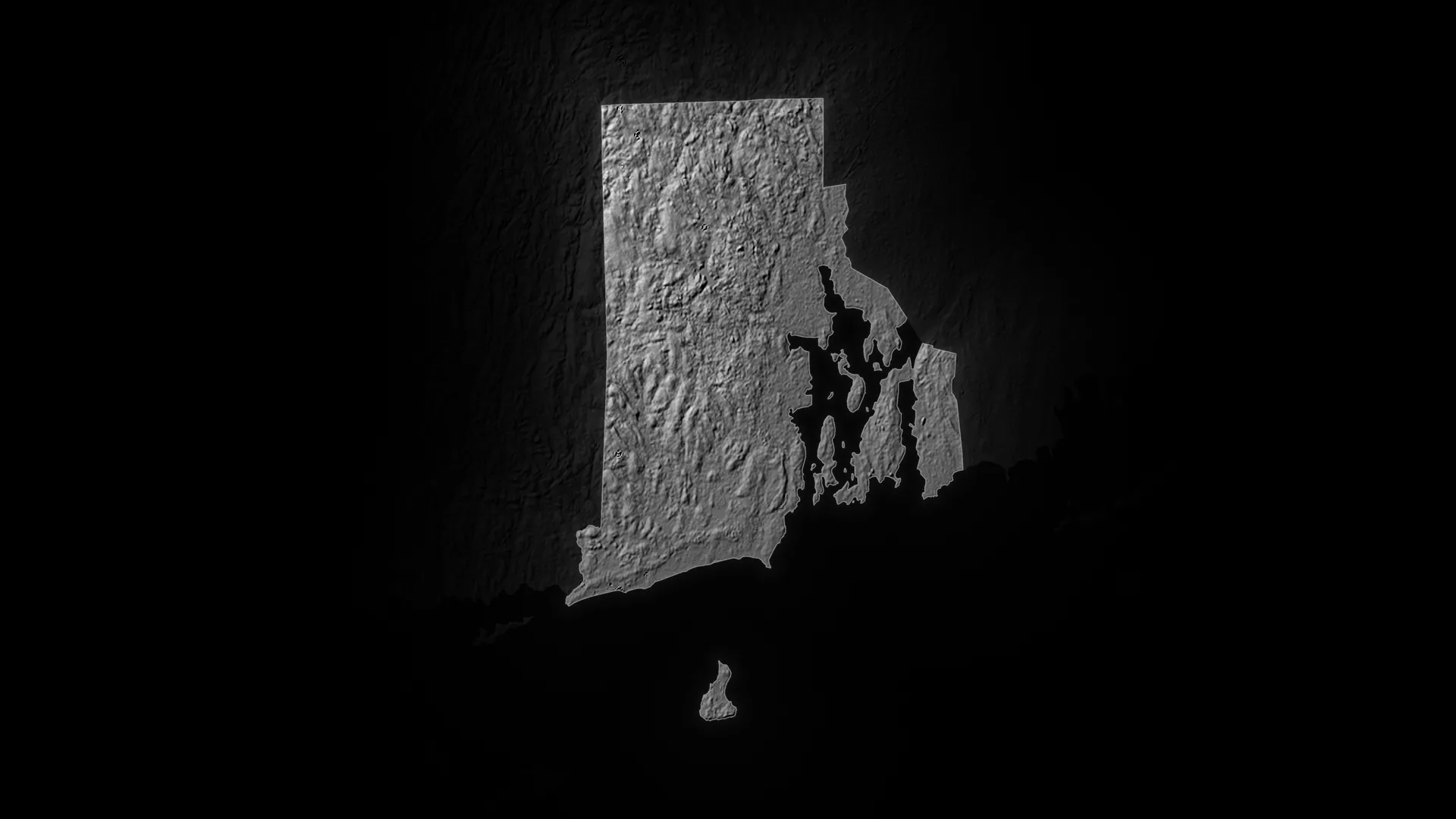
Half of Rhode Island's homes were built in 1962 or earlier.

Utility gas heats 53 percent of homes in Rhode Island, more than any other fuel. Fuel oil comes next at 26.6 percent, then electricity. A mini split doesn't replace a gas or oil furnace outright. It changes what share of the heating load that furnace carries, since the mini split can take over some or all of it on milder days.
A gas or oil furnace still makes sense for the coldest stretches in a lot of these homes, with a mini split handling the shoulder months and taking some load off the main system. In a home that heats with electric resistance already, a mini split moves heat instead of generating it, which is a different way of heating the same space. What fits depends on what's heating the house now and what the homeowner wants the mini split to do.
Get it in before July
Cooling here only runs from July through August. Installing before July means the system is in and tested before it has to work, not during the first hot stretch. A mini split installed in June or earlier also gives the contractor a slow week instead of a backlog, and gives the homeowner time to learn the remote and the settings before they actually need them.
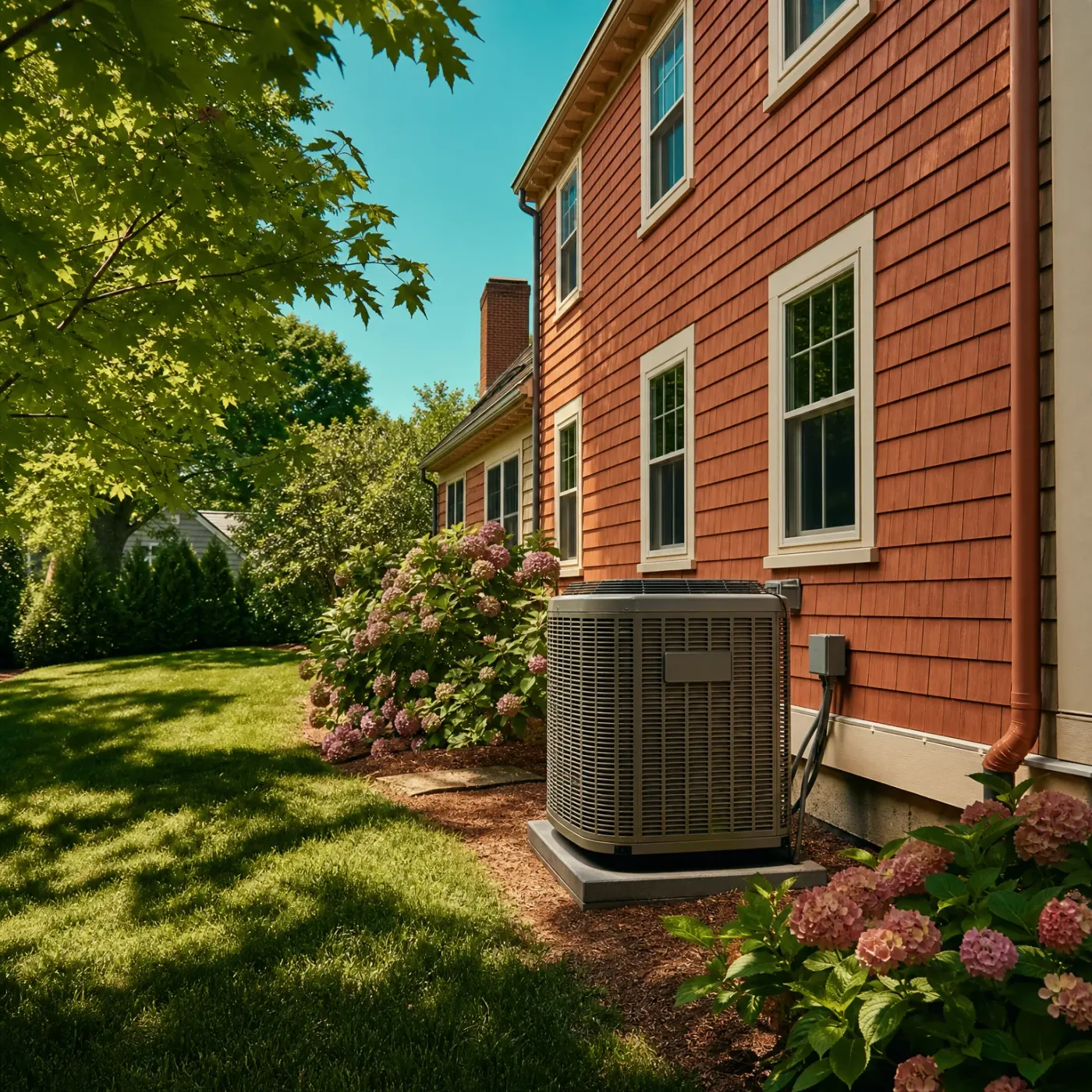
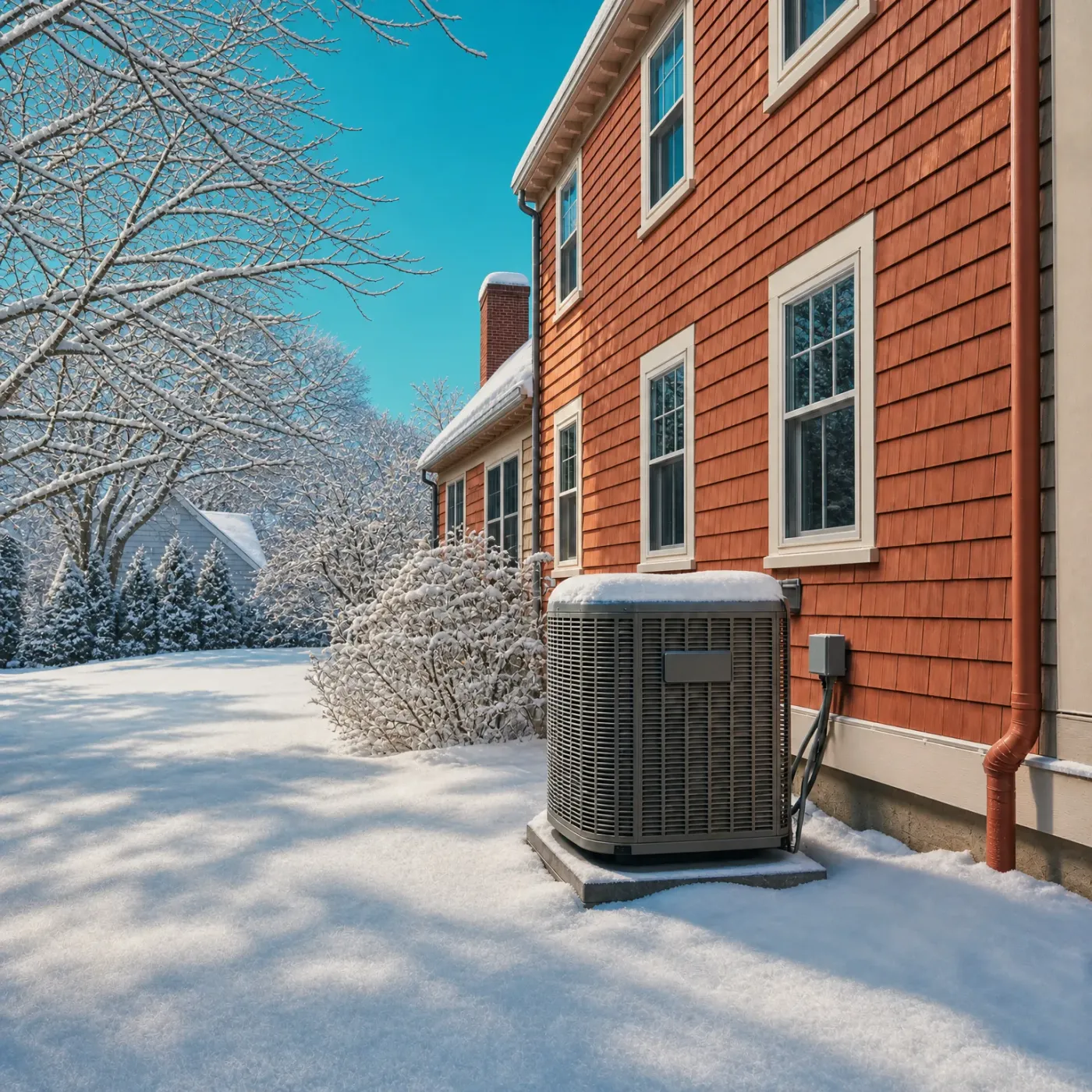
2 months of cooling, July through August
8 months of heat, October through May

Rhode Island doesn't ask the same of a mini split everywhere in the state. Homes across the eastern counties need about 13% more cooling over the year than homes across the western counties. Same system, same settings, different workload depending on which side of the state it's in.
Afternoons average 80°F across June, July and August where most people in the state live. That's not a hard summer as these things go. Rhode Island's afternoons run cooler than 38 of the other 49 states, and homes here run cooling for just two months, July and August. A mini split sized for this climate isn't fighting the kind of heat you'd see further south or further inland.
What it does have to stand up to is wind. Damaging wind hit Rhode Island 425 times between 2015 and 2024, and tropical storms or hurricanes affected the state 19 times in that span. That puts Rhode Island ahead of 28 of the other 48 states for damaging wind in the counties where people live. The outdoor unit sits outside through all of that, not just through the two months it's cooling the house.
None of this changes what a contractor needs from the install itself: a mount that holds, a line set run and tested right, a head sized for the room. But it does mean the eastern counties lean a little harder on the system over a cooling season, and it means whoever mounts the outdoor unit is picking a spot that holds up to wind, not just one that's convenient to run a line to.
What does a mini split in Rhode Island face?
How hot do summer afternoons get?
80°Faverage afternoon high where people live
Alaska66°F
Arizona101°F
How cold do winter nights get?
23°Faverage overnight low where people live
North Dakota4°F
Hawaii65°F
How many months does the cooling run?
2 monthsof cooling a year
Alaska0 months
Hawaii12 months
What does electricity cost?
28.65¢per kWh (kilowatt hours, the unit on an electric bill), what homes paid in 2024
North Dakota11.51¢
Hawaii42.86¢
How often do storms hit?
190severe weather events per county from 2015 to 2024
Alaska5
Wyoming1,057
How many homes lost power for a day or more?
12%of homes in 2024
Arizona7%
Maine54%
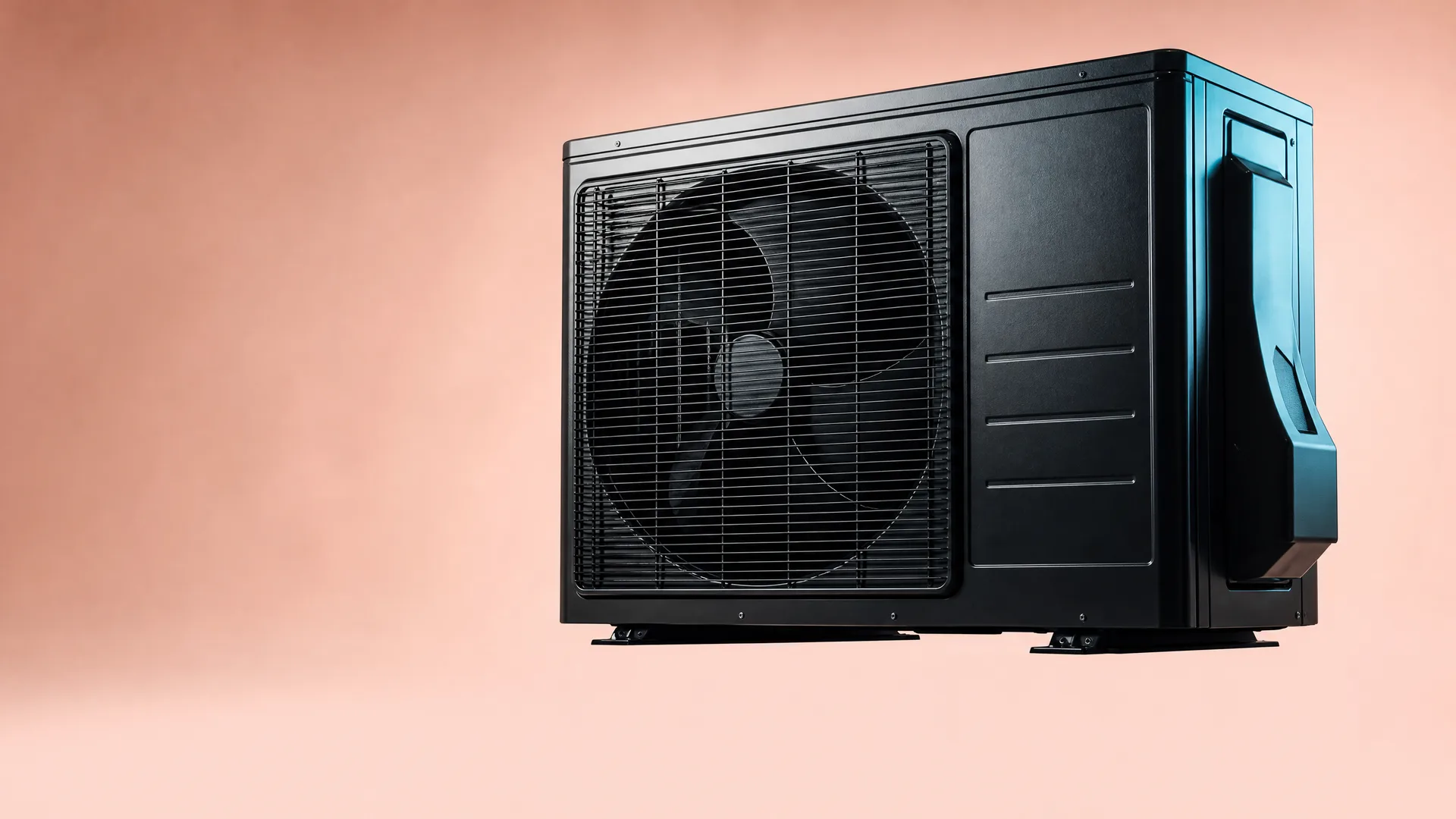
The outdoor unit works through more than just August
Two months of cooling a year is light, fewer than 34 other states see. That's not a reason to put off the install. A mini split doing both heating and cooling runs for most of the year, and the outdoor unit sits through the winter too, through wind and ice and whatever the plow throws up onto it. Getting it mounted and started before July means it's been through a startup cycle, the line set's been checked for leaks, and the head's been set to actually cool the room it's in, before the first hot stretch asks it to.
What happens to the old system
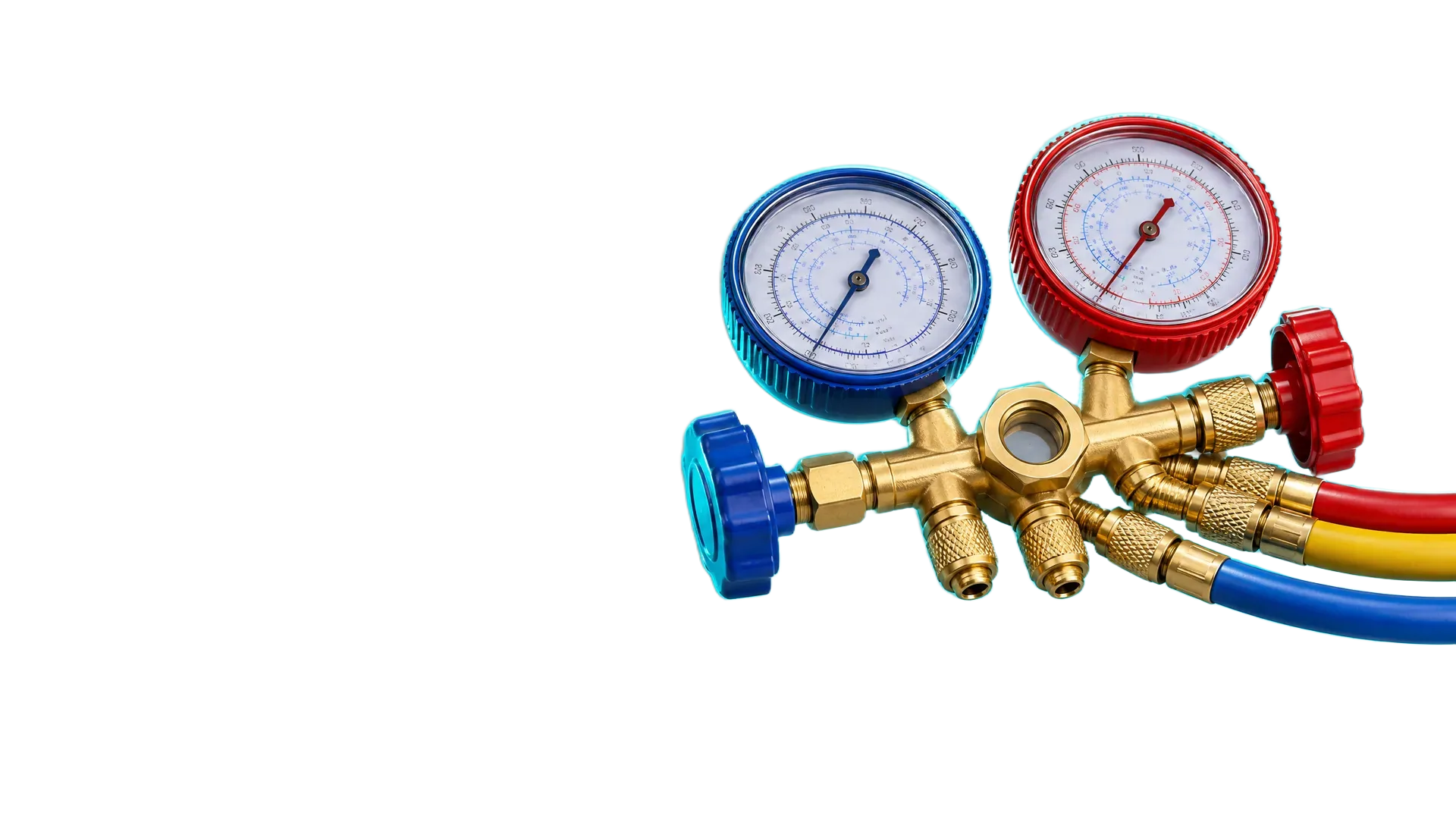
An old system does not have to come out before the mini split goes in. In most jobs it keeps running while the new one is installed. Then the contractor and the homeowner decide what stays and what goes. A furnace or boiler that still has useful life left often stays in place, working alongside the mini split instead of getting replaced outright. If a system is on its way out anyway, old refrigerant lines or an old condensing unit get disconnected once the new lines are run and pressure tested. Window units are the easy case. They come out of the window and the mini split takes over that room's cooling for good.
What changes the price
The number of indoor heads is the biggest factor. A single-zone system, one outdoor unit feeding one indoor head, costs less than a multi-zone setup feeding several rooms off the same outdoor unit, because every additional head means another line set, another mounting job, and another spot where the contractor has to get the refrigerant charge right. Where the outdoor unit can sit also matters. A straightforward wall mount with a short line run to the indoor head costs less than a run that has to snake through a finished wall, cross a floor, or climb several stories to reach the outdoor unit. Electrical work adds to the job too. If the panel has room for a new dedicated circuit, that's a simple addition. If the panel is already full, upgrading it before the mini split can even be wired in adds a separate job on top of the install. The size and layout of the room being conditioned factors in as well, since a contractor has to calculate the heating and cooling load for that specific space before picking the right head and outdoor unit size, and getting that sizing wrong means the system either short-cycles or never quite keeps up.
Electricity here costs more than in 45 other states, so a mini split's efficiency shows up on the bill.
Tell us about the job
Takes about a minute. No obligation.
Fill out the form once and a licensed Rhode Island mini split installer gets back to you.