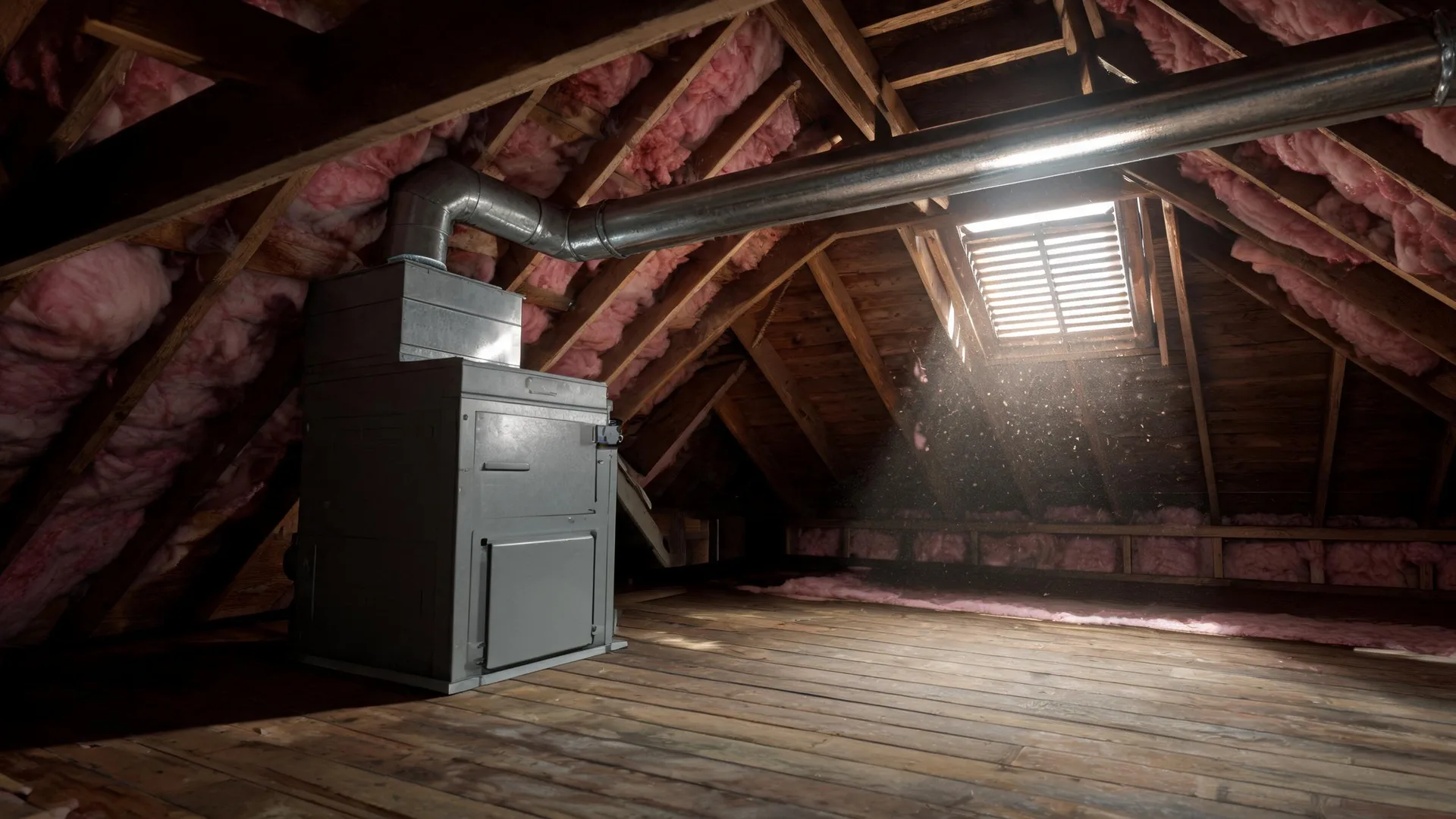
Check the thermostat first
Make sure it's set to cool and set below room temperature, not just set to on. Replace the batteries if it has any. A thermostat with a dead battery or one bumped into heat mode looks exactly like a broken air conditioner.
Takes about a minute. No obligation.
Summers here are short. Cooling runs about two months, July and August, with afternoon highs averaging around 80 degrees. That's a mild load compared to what air conditioners handle further south. A system here isn't working against the heat most of the year, so if yours is giving you trouble, it's less likely the unit was ever pushed hard and more likely something specific has worn out or gone out of adjustment. That's usually worth fixing rather than replacing.

NOAA nClimDiv, 1991–2020 normals
Cooling in Bristol County starts in July.
Get it checked in June, before the first hot week finds the weak part.



Warm air blowing from the vents is the complaint most people call in with, and it usually means the system has lost refrigerant or the compressor outside has quit, not that something is wrong with the thermostat. A hissing or bubbling sound near the lines outside often points to a leak. Short cycling, where it kicks on and off every few minutes instead of running a normal cycle, usually means a bad capacitor or airflow that's too restricted. Ice on the indoor coil is a sign to shut the system off rather than keep running it, since ice means airflow or refrigerant is already low and running it longer can damage the compressor. A musty smell usually means water isn't draining the way it should, and a burning smell means it needs to be looked at before it runs again.
A unit that only works hard in July and August usually has a repair left in it. Get the real problem found and fixed, rather than written off as worn out.
Find a contractorAsk the repair tech straight. How many years does this unit likely have left. That answer should decide whether you fix what's broken or start pricing a replacement, not the other way around. A tech standing in front of the compressor can tell you more about its condition than any guess based on the house alone.
Make sure it's set to cool and set below room temperature, not just set to on. Replace the batteries if it has any. A thermostat with a dead battery or one bumped into heat mode looks exactly like a broken air conditioner.
A filter clogged with dust blocks airflow and can make the whole system ice up or shut down. Pull it and hold it to the light. Outside, check that the condenser isn't buried in leaves or grass clippings and that the breaker for it hasn't tripped. These are the only checks worth doing yourself before calling someone out.
Estimates for a typical Bristol County home, compared with an older unit built to the previous federal minimum, from EIA household energy data, Rhode Island fuel prices and NOAA climate normals. Your home will differ.
Repair makes sense when a part like a capacitor or contactor has failed.
Replacement makes sense when the compressor has failed or the system uses R-22 refrigerant, which is no longer made.
A diagnostic call starts with questions before any panel comes off. When did you first notice it, is the air just weak or not cold at all, does the outside unit run, any noise when it kicks on. Then the tech checks the thermostat response, the airflow at the vents and the condition of the filter before going further. Outside, they'll check the condenser fan and the refrigerant pressures with gauges, since low charge points to a leak somewhere in the lines rather than a failed part. Inside, the coil gets checked for ice or dirt, and the electrical side gets tested too, the capacitor and contactor are common failure points that don't always show obvious damage. Most of the time the cause is narrowed down before anything gets replaced, so you know what's actually wrong before agreeing to fix it.